
Backyards are a beautiful bird haven: Cornell Lab
Posted on 23 April, 2020 by Ivan
Fortunately there are many online resources that can keep us learning and connected to nature, while we stay safely at home. Here are some great suggestions about how to improve your bird watching skills, using the excellent Merlin Bird ID app on your smart phone or other digital device, and via educational videos from the Cornell Lab of Ornithology. A reminder though, to ensure you use Birdlife’s Birdata App, when entering your data, surveys and observations.
One of the delights of bird watching has always been that you can do it anywhere, including right at home. Take a quiet walk or enjoy a moment of reflection at your window: birds will be with you. Now is a great time to deepen your knowledge and appreciation with resources like these:
- The free Merlin Bird ID app helps you identify more than 6,000 bird species on six continents. Answer five simple questions to get a short list of likely birds near you. And if you already have Merlin, don’t miss these five advanced tips, including amazing Photo ID.
- Practice the Four Keys to Bird Identification. Put names to the birds you see by focusing on Size & Shape, Color Pattern, Behavior, and Habitat. Learn from experts through their Inside Birding videos.
- Play Bird Song Hero and brush up on birding by ear so you’re ready for the sweet songs of spring.
- If you do Project FeederWatch, they’re extending the season through the end of April so you can keep right on counting. And now’s the time to set up nest boxes—NestWatch has amazing resources at All About Birdhouses.
- Take a free eBird Essentials course to get the most fun from your outings, save your birding memories, and contribute to science.
Click on the the above links and following images to access these resources.
Backyards: Still The Best Places To Go Bird Watching
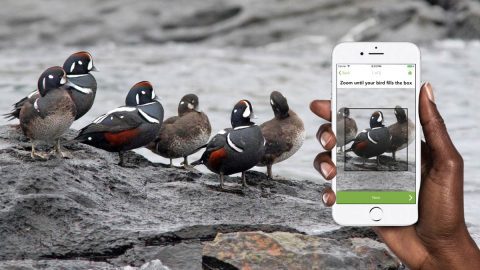
Get More From Merlin Bird ID With These Powerful Features
Inside Birding: How-To Videos For Learning Bird Identification
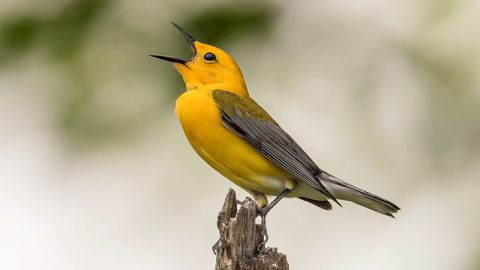
Bird ID Skills: How To Learn Bird Songs And Calls
Connecting Country calendar competition: entry highlights so far
Posted on 23 April, 2020 by Ivan
Last week we announced our inaugural Connecting Country calendar competition and so far the entries have been flowing in steadily all week.
Our theme is woodland birds and this photo competition is open to all Connecting Country members and people of the Mount Alexander region. The aim of the competition is to highlight our special woodland bird community and share the passion and skills of our passionate local photographers, as well as produce a beautifully printed calendar for the year 2021.
The calendar will be available to purchase and will feature the top 12 photographs, as selected by the Connecting Country team. There is a limit of two entries per photographer, and the competition opened on Monday 20 April and will close at 5 pm on Monday 18 May 2020. Both experienced and amateur photographers are encouraged to participate. Simply email your chosen images to ivan@connectingcountry.org.au by 5 pm on 18 May 2020.
We have been extremely impressed with the entries so far and thought we would share the highlights this week in a gallery below.
Thank you to everyone who’s contributed so far! Keep the entries coming until Monday 18 May 2020.

White-eared Honeyeater by James Bowden

Eastern Yellow Robin by Peter Boekel

Varied Sittella by Mick Evans

Square-tailed Kite by Damian Kelly
Calendar competition details:
- Photos must be relevant to the theme of woodland birds and taken in the Mount Alexander region in central Victoria.
- There is a maximum of two photo entries per photographer.
- Entries must be submitted by email to ivan@connectingcountry.org.au, including the location, date and subject of the photo.
- Original photos must be at least 3 MB for image quality, but to enter please email files under 1 MB.
- Entries close on Monday 18 May 2020.
- Winning images will be selected by Connecting Country and published in a 2021 woodland birds calendar.
- There will be no commission paid to competition winners, but full recognition of your work will be featured and acknowledged.
Further details on the competition format and conditions are provided on our website: click here
Online mushroom discovery workshops 2020
Posted on 23 April, 2020 by Ivan
We are a big fan of the talented and passionate Alison Pouliot, who is not only a very knowledgeable fungi expert but also a photographic maestro. You may be familiar with Alison’s fungi and photography workshops, which she has delivered to the community and stakeholders for over a decade. This year, in light of the COVID-19 outbreak, Alison is delivering some of her workshops online, which will allow us to see the wonderful world of fungi without leaving our lounge room. With promising autumn rainfall this year, there are early signs for a terrific fungi season, with much color and diversity already appearing in our forests and woodlands.
Here are the details regarding Alison’s online fungi workshops, from her website:
Mushroom Discovery Workshops Online
Given the current situation, fungus forays and workshops in the next six weeks have been postponed until 2021. Workshops scheduled for June 2020 will be reviewed in the coming weeks. Meanwhile, a series of online workshops have been scheduled. We really hope you can join us!
Although the world is in lockdown, the fungi are running riot out there in the forest! The recent rains could mean we are in for a bumper fungus season. This online workshop introduces participants to the diversity, ecology and curiosities of the Kingdom Fungi. In the first part of the workshop participants will learn how to recognise the major fungus morphogroups; the various parts of different types of fungi; and the features used to make identifications in the field. We will then work through participants’ specimens and identify them and discuss them. Don’t forget to bring along some fungus specimens.
Although the world is in lockdown, the fungi are running riot out there in the forest!
Why are fungi important in forests and gardens? How do we differentiate the desirable from the deadly?
This online workshop introduces participants to the diversity, ecology and curiosities of the Kingdom Fungi. Participants will learn the basic skills in identifying fungi though demonstration of techniques and by using their own specimens.
For workshop times and to book visit Alison Pouliot’s webite: click here
Workshops are booking out fast, so be quick to secure your place!
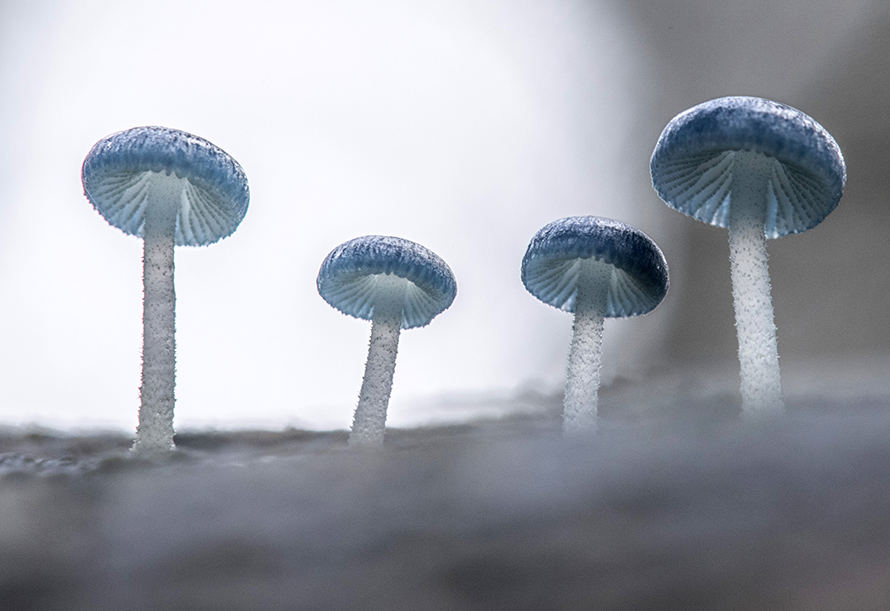
Alison is a professional photographer and a fungi expert – a great combination (photo by Alison Pouliot)
Announcing our new woodland birds photography competition!
Posted on 16 April, 2020 by Frances
We are super excited to announce the inaugural Connecting Country calendar competition ….. drum-roll please!
Our theme is woodland birds and this photo competition is open to all Connecting Country members and people of the Mount Alexander region. The aim of the competition is to highlight our special woodland bird community and share the passion and skills of our passionate local photographers, as well as produce a beautiful printed calendar for the year 2021.
The calendar will be available to purchase and will feature the top 12 photographs, as selected by the Connecting Country team. There will be a limit of two entries per photographer, and the competition opens on Monday 20 April and will close at 5 pm on Monday 18 May 2020. Both experienced and amateur photographers are encouraged to participate. Simply email your chosen images to ivan@connectingcountry.org.au by 5 pm on 18 May 2020.

This stunning image of a Diamond Firetail is one of our most treasured photographs from over the years (Photo: Geoff Park)
Calendar competition details:
- Photos must be relevant to the theme of woodland birds and taken in the Mount Alexander region in central Victoria.
- There is a maximum of two photo entries per photographer.
- Entries must be submitted by email to ivan@connectingcountry.org.au, including the location, date and subject of the photo.
- Original photos must be at least 3 MB for image quality, but to enter please email files under 1 MB.
- Entries close on Monday 18 May 2020.
- Winning images will be selected by Connecting Country and published in a 2021 woodland birds calendar.
- There will be no commission paid to competition winners, but full recognition of your work will be featured and acknowledged.
Further details on the competition format and conditions are provided on our website: click here
Checking the health of our habitat: project update
Posted on 16 April, 2020 by Ivan
In 2009, Connecting Country created a Biodiversity Blueprint with the help of the community and our partners. From the outset, scientific monitoring has been a high priority at Connecting Country. Monitoring allows us to observe changes in biodiversity over time, which gives us valuable information for ecological decision-making.

One of our monitoring priorities is the Brush-tailed Phascogale (photo by Jess Lawton)
We’ve been fortunate to have a world-class landscape ecologist, Professor Andrew Bennett, assist in creating our monitoring programs for woodland birds and the brush-tailed phascogale.
After the success of our ‘Stewards for Woodland Birds’ project, in 2018 we were delighted to announce we obtained funding from the Helen Macpherson Smith Trust to support the review and transition of our monitoring programs. Habitat ‘Health Check: empowering citizen scientists to monitor habitat health in Central Victoria’ has been the project we required to transition to a citizen science model, with volunteers managed and supported by a paid Monitoring Coordinator.
Project achievements
After two years, Habitat Health Check is nearing completion. Our aim was to create a collaborative, robust, citizen science project that monitors native animals and plants in the Mount Alexander region. The project involved reviewing our four existing long-term monitoring programs: birds, nest boxes, plants, and frogs and reptiles. We then developed a new community-driven model that empowers our enthusiastic and skilled volunteers, maintains scientific rigor, and promotes online data sharing. We’re now sharing our valuable data with the community via the Visualising Victoria’s Biodiversity online portal and the Victorian Biodiversity Atlas.
During Habitat Health Check, our hardworking volunteers collected 2,280 new bird records, bringing our total bird records to over 26,000 individual bird records, and 541 records for our nest box monitoring. This is an amazing effort from our volunteers and a huge achievement for our Monitoring Coordinator. After reviewing our existing monitoring programs and running a series of community workshops, we have focused our resources and volunteer base, ensuring we have a sustainable monitoring program for the future.
Connecting Country’s Monitoring Coordinator, Jess Lawton, said: ‘We have held many workshops and meetings over the past two years to review and refine our monitoring program to ensure we make the best use of community resources, and that our work is congruent with both Connecting Country’s goals and areas of interest in the community. We value our volunteers and have included them in every stage of the development of our monitoring programs. I believe we now have a stronger and more focused program, after careful consideration of feedback from the community, volunteers and other stakeholders’.
Latest monitoring reports
Here are the most recent reports on our nest box and woodland bird monitoring:


It is a joy to get out and monitor birds such as the lovely Spotted Pardalote (photo by Patrick Kavanagh)
Still time to get involved
We are still open to more volunteers for our bird and nest box monitoring programs, if you are keen to be involved in our ongoing monitoring for ecological change. Bird monitoring is conducted each winter and spring, and nest box monitoring is conducted in autumn. We’re closely monitoring the COVID-19 restrictions and will adjust our activities as required to keep everyone safe. For more details, please contact our monitoring coordinator Jess Lawton (jess@connectingcountry.org.au).
Listening Earth: morning bushwalks online
Posted on 16 April, 2020 by Ivan
Each week we are discovering more and more unique projects that are being delivered online and to your desk from a variety of scientists, institutions and other clever folk. One local project to watch and interact with each morning is Listening Earth’s daily morning bushwalks, delivered through the Facebook platform.
The beauty of the Listening Earth morning walks is the commentary from Newstead local soundscape guru Andrew Skeoch, who gives an entertaining and informative insight into the forest ecology and birds present in the morning chorus. Many of you will be familiar with Andrew, who spoke at Connecting Country’s 2019 Annual General Meeting. Andrew has an amazing personal collection of sonic and natural landscapes that transport you to wild places and remind us to tune into nature. To revisit our blog on Andrew’s talk at our 2019 AGM – click here.
The daily nature walks take place on Andrew’s property near Newstead in central Victoria, and have unearthed many treasures to date, including the sounds of the morning bird chorus and some unexpected guests. We also enjoy the insights he has into our local ecology and his connection to this land. Click on the video below to watch the nature walk, or visit his Facebook page – click here
https://www.facebook.com/listeningearth/videos/310664423232330/
Andrew also has an excellent series of talks and presentations, which can be viewed by clicking on the image below. In nearly 20 years of recording in remote locations, he has been fascinated by the diverse, wondrous and delicate sounds of our natural world.
A mountain of monitoring data added to Visualising Victoria’s Biodiversity
Posted on 16 April, 2020 by Ivan
Connecting Country has partnered with Federation University to incorporate our monitoring data into the State Wide Integrated Flora and Fauna Teams (SWIFFT) ‘Visualising Victoria’s Biodiversity’ project, an online data portal. This will give the community, landholders and our stakeholders a chance to see how our data looks across the landscape, and will allow for easy access to the data for anyone who is interested.
With coordination by Connecting Country’s Monitoring Coordinator, Jess Lawton, the data has been submitted to SWIFFT and is expected to be available for access later this year. ‘We will be very excited to see our mountains of monitoring data on a visual platform such as VVB and we believe this will make it much easier for the community to visualise the valuable work they have been involved with for over a decade,’ said Ms Lawton.
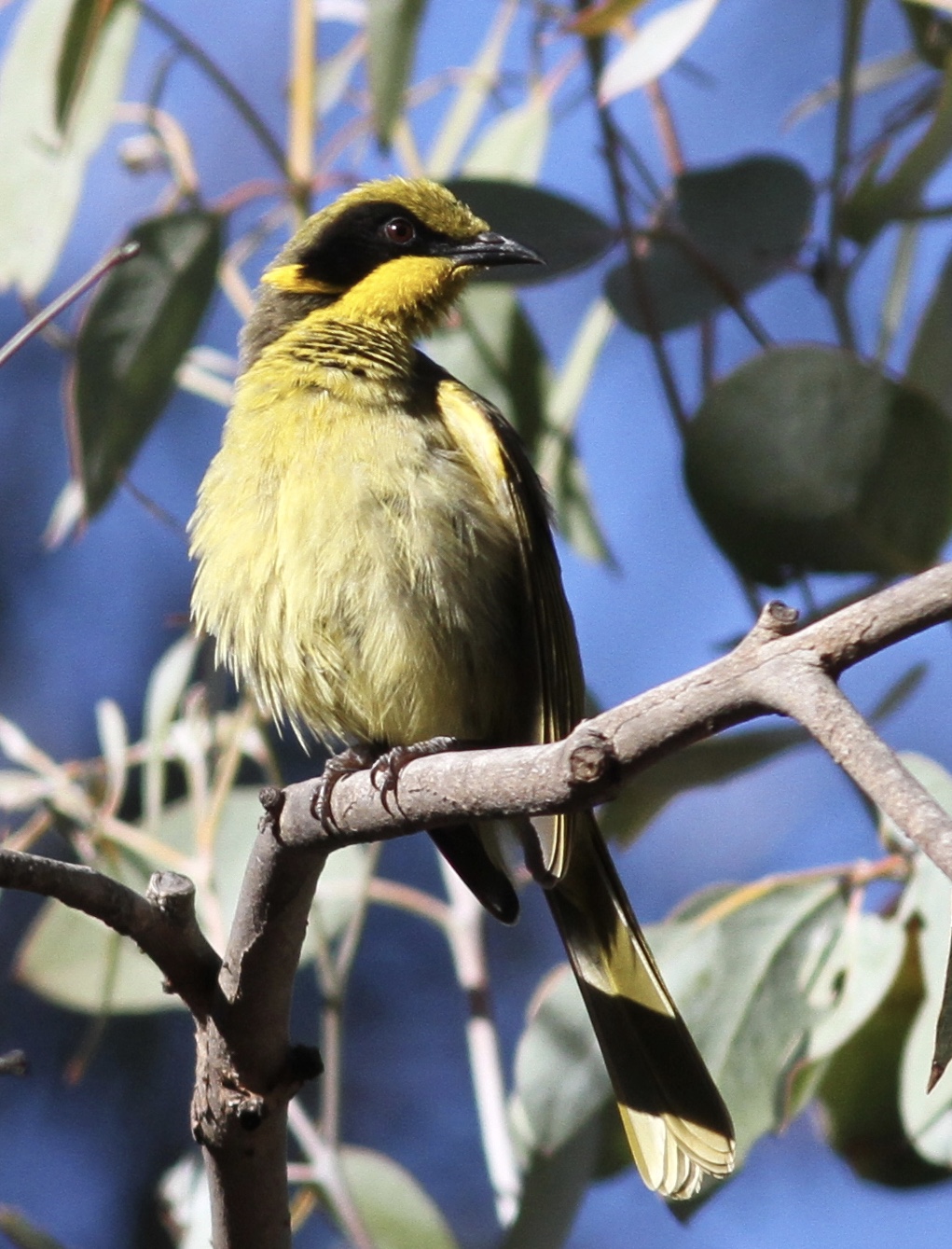
Many beautiful birds in our region are now well documented in online databases (Yellow-tufted Honeyeater photo by Jane Rusden)
Sharing our data with SWIFFT is part of our Habitat Health Check project, funded by the Helen Macpherson Smith Trust to empower citizen scientists to monitor habitat health in central Victoria. The project is nearing completion in June 2020 and has enabled Connecting Country to review our existing biodiversity monitoring programs and transition to a sustainable model for future monitoring.
Visualising Victoria’s Biodiversity (VVB) is a place to discover and share spatial information on Victoria’s environmental values, conservation activities and research. VVB is a community resource and welcomes your feedback, input and contribution. VVB brings together existing environmental data sets and information created and managed by government agencies, organisations, community groups and individuals.
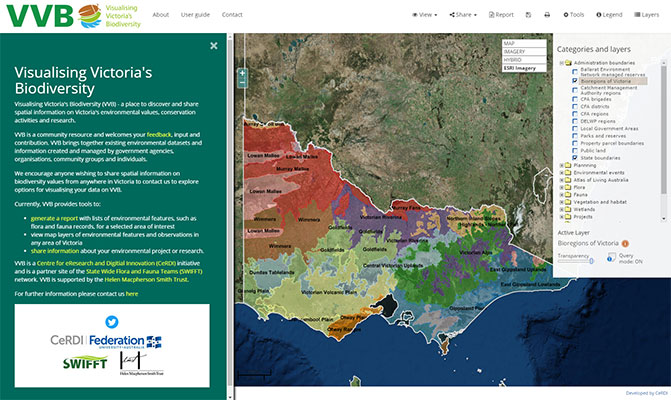
VVB allows users to create maps and view projects (image by VVB)
Connecting Country is excited by the potential to represent over a decade of biodiversity monitoring data in a simple visual format. We encourage anyone wishing to share spatial information on biodiversity values from anywhere in Victoria to contact VVB to explore options for visualising your data on VVB.
The VVB provides tools to:
- Generate a report with lists of environmental features, such as flora and fauna records, for a selected area of interest
- view map layers of environmental features and observations in any area of Victoria.
- Share information about your environmental project or research.
For further information on the Visualising Victoria’s Biodiversity project – click here.
.jpg)
All our Connecting Country monitoring sites will be added to the visual database (image by VVB)
Live cams bring the birds to you
Posted on 9 April, 2020 by Ivan
As we look out the home office window today, it is a picture-perfect autumn day: windless, colourful, mild, and particularly vibrant and green due to the recent rains. In many ways, it is the perfect day to go bird watching, even from the comfort of your home. Most of us are already craving interaction with nature, walks, rides and group gatherings, but for now we will be isolating in the nature of our homes.
Fortunately there are many online resources that can keep us connected to nature, such as numerous nature-based identification exercises, skill testing, live cameras, videos and online quizzes. While these are never as exciting as seeing or touching the real thing, we are very impressed with the list of activities put together by the experts at the Cornell Lab of Ornithology. Below is a summary of their suggestions for live cameras that can be viewed from the comfort of your home. You can watch the action live on the webcams setup all over the world – allowing for time zone differences. We particularly like the very lively and colourful tiny toucans in Panama.
From the Cornell Lab of Ornithology:
Stream one of our Bird Cams for peace, beauty and intimacy with wild creatures. Many of our users keep a cam streaming all day long just for the calming outdoor sounds that filter in.
- Bring nesting owls, hawks, and ospreys into your home
Or watch a rotating cast of birds at our feeder cams:
- Ruffed Grouse and Evening Grosbeaks in snowy Ontario
- Blue Jays and Northern Cardinals at our offices in Ithaca, New York
- Tanagers and tiny toucans (called aracaris) in tropical Panama
Birds in Backyards is go
Posted on 9 April, 2020 by Frances
With COVID-19 meaning we are all spending almost, if not, all of our time at home, it is the perfect opportunity to become acquainted with your birdy neighbours. Birds in Backyards surveys can be submitted at any time, and as often as you like. Your data tells BirdLife how our urban birds are doing and how our gardens, and our own behaviour in those gardens can impact on the birds visiting.
For information on how to join in Birds in Backyards visit the BirdLife website – click here
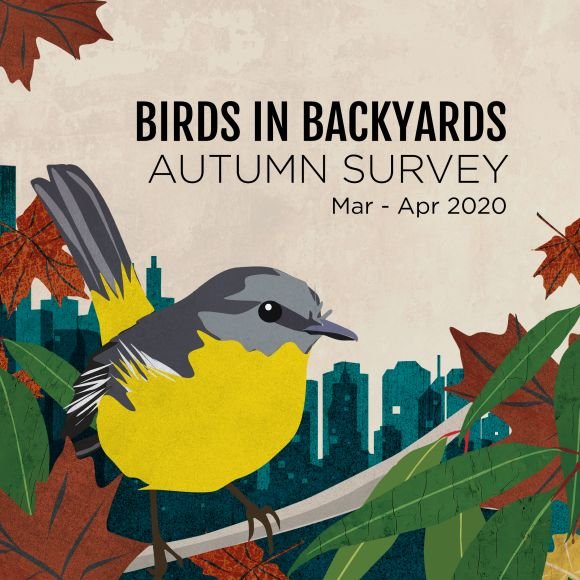
Join BirdLife Australia for a free Birds in Backyards survey webinar on 15 April 2020 at 7 pm AEST. You will learn some simple bird ID tips and how to do a survey using the Birdata platform. To register your interest – click here
Even though we are not, birds are on the move!
Autumn is a season of migration, cooling temperatures (for the most part) and with most of us stuck at home, it give us another excuse to get out into our backyards and survey birds. BirdLife’s Birds in Backyards Autumn Survey runs from March to April with a focus on what unusual or unexpected birds are turning up in your backyard?
This fire season was unprecedented and many of our bird communities have lost refuge and resources, pushing them to their limits. There have been accounts of unusual birds turning up in unexpected places or at the extremes of their range and BirdLife want to know more about these occurrences.
What if I don’t know a Pipit from a Pardalote?
You don’t have to know the names of all your birds to take part. The Birdata portal and app will automatically give you a list of birds (with photos) known to be in your area and you can select from that list. The more surveys you do, the more accurate that list becomes.

The adorable Jackie Winter is common throughout the Autumn months. Photo: Peter Turner
Backyard science cures for boredom
Posted on 2 April, 2020 by Ivan
No doubt you have seen some great ideas of how to remain engaged and occupied during the isolation phase of the COVID-19 outbreak. It’s a very challenging time and impacts continue to spread across the globe. Connecting Country is adapting our community engagement model, to deliver some events to our audience, community and stakeholders in the comfort of their own home. Stay tuned for when we advertise these events in the coming months. We also hope to produce some videos down the track to keep everyone engaged.
We have discovered some excellent activities you can do from the safety of your own backyard and still contribute to science. ‘The Conservation’ recently published an inspiring article. Please enjoy the following extract highlighting many useful activities and ideas to contribute to backyard science. To view the full article – click here.
Environmental projects need your support too
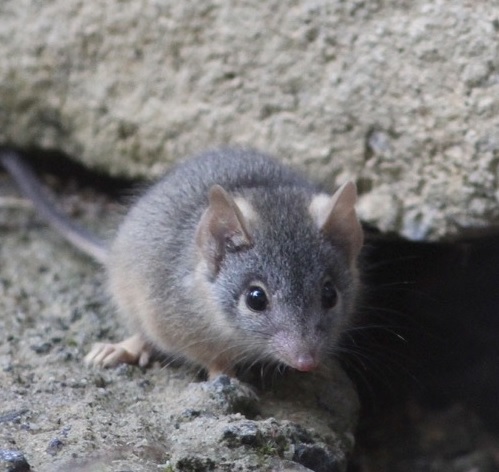
The yellow-footed antechinus (Antechinus flavipes) is a curious little marsupial (photo by Jane Rusden)
If you’d like to get your mind off COVID-19, there’s a plethora of other options for citizen scientists. You can contribute to conservation and nature recovery efforts – a task many took to after the recent bushfires. Some sites ask volunteers to digitise data from ongoing environmental monitoring programs. Contributors need no prior experience, and interpret photos taken with remote digital cameras using online guides. One example is Western Australia’s Western Shield Camera Watch, available through Zooniverse.
Other sites crowdsource volunteers to transcribe data from natural history collections (DigiVol), historical logbooks from explorers, and weather observation stations (Southern Weather Discovery).
Citizen science programs such as eBird, BirdLife Australia’s Birdata, the Australian Museum’s FrogID, ClimateWatch, QuestaGame, NatureMapr, and the Urban Wildlife App, all have freely available mobile applications that let you contribute to ‘big’ databases on urban and rural wildlife.
Nature watching is a great self-isolation activity because you can do it anywhere, including at home. Questagame runs a series of ‘bioquests’ where people of all ages and experience levels can photograph animals and plants they encounter.
In April, we’ll also have the national Wild Pollinator Count. This project invites participants to watch any flowering plant for just ten minutes, and record insects that visit the flowers. The aim is to boost knowledge on wild pollinator activity.
The data collected through citizen science apps are used by researchers to explore animal migration, understand ranges of species, and determine how changes in climate, air quality and habitat affect animal behaviour.
This year for the first time, several Australian cities are participating in iNaturalist’s City Nature Challenge. The organisers have adapted planned events with COVID-19 in mind, and suggest ways to document nature while maintaining social distancing. You can simply capture what you can see in your backyard, or when taking a walk, or put a moth light out at night to see what it attracts.
For those at home with children, there are a variety of projects aimed at younger audiences.
From surveying galaxies to the Bird Academy Play Lab’s Games Powered By Birds – starting young can encourage a lifetime of learning.
If you’re talented at writing or drawing, why not keep a nature diary, and share your observations through a blog.
By contributing to research through digital platforms, citizen scientists offer a repository of data experts might not otherwise have access to. The Australian Citizen Science Association (ACSA) website has details on current projects you can join, or how to start your own.
Apart from being a valuable way to pass time while self-isolating, citizen science reminds us of the importance of community and collaboration at a time it’s desperately needed.
Local bird watching in a time of isolation
Posted on 2 April, 2020 by Ivan
Right now, the best thing we can do to help stop the alarming spread of coronavirus is to stay home as much as we can. But that doesn’t mean we can’t find pleasure in nature or practice our bird watching skills. Autumn is a lovely time to be exploring our ecological assets and watching our birds, while still practicing isolation and safe social distancing.
Connecting Country’s bird survey Group Sites could be just the thing for those of you local to the Mount Alexander region of central Victoria, by combining some bush time and exercise. Connecting Country has a number of bird survey sites located on public land, for the public to survey any time they wish. They’re all known to have interesting species present. If you’re lucky you might see birds like Hooded Robins, Diamond Fire Tails or Painted Button Quail.

Diamond Firetail has been spotted at our group sites (photo by Geoff Park)
The Connecting Country Group Sites are all on public land, and are perfect for 2 hectare – 20 minute area counts. You can find them on the Connecting Country website – click here.
Group sites encourage people to establish survey sites that other birdwatchers can visit, to optimise the amount of data that can be generated at individual sites. These group sites have been created in partnership with BirdLife Australia and developed with the beginner in mind. If you need a refresher on survey techniques or monitoring using the 2 hectare – 20 minute area count, please visit the BirdLife website – click here.
We also came across this excellent article in the Guardian newspaper, which mentions that we may be stuck indoors but the skies are a source of ornithological wonder. Experts reveal what’s out there, where to look and how to get competitive about it. For details – click here.

You don’t need all the gear in the world to go birdwatching, just binoculars and a field guide (photo by Connecting Country)
Take a guess….how many Eltham Copper Butterflies did we see last summer?
Posted on 2 April, 2020 by Ivan
The Eltham Copper Butterfly (ECB) is one of our most treasured and interesting threatened species, and we are fortunate enough to have the largest population in the world right here in the Mount Alexander region of central Victoria. In the past 12 months, the special little butterfly has attracted much-needed attention, attracting funding for three separate projects in our region.
Connecting Country obtained funding from the Mount Alexander Shire Council to increase community awareness and education regarding the butterfly, and to support citizen science monitoring in key locations to learn more about the local populations. We worked closely with local ecologists Elaine Bayes and Karl Just, who with support from Wettenhall Environment Trust continued their vital work on mapping local Eltham Copper Butterfly habitat and distribution. We also joined in the excellent Butterfly Celebration Day held in Castlemaine Botanical Gardens in November 2019. Our hope is that all Castlemaine residents now know about this amazing threatened species living on their doorstep!
Connecting Country delivered a popular community education workshop, and worked with ecologists Elaine and Karl to promote and coordinate four community monitoring sessions for Eltham Copper Butterfly around Castlemaine VIC over November 2019 to January 2020, when the adult butterflies were out and about (for details – click here). These events attracted excellent numbers of people keen to learn more about the life cycle of this butterfly and to participate in butterfly monitoring within local butterfly habitat. The aim was to support interested community members to learn how to monitor with expert guidance, providing skills for them to become citizen scientists, conduct more monitoring and (potentially) discover new populations.

photo by Connecting Country

Photo: Connecting country

Photo: Elaine Bayes

The Eltham Copper Butterfly is a small and attractive butterfly with bright copper coloring on the tops of its wings visible during the summer flight season (photo: Elaine Bayes)
Well, the results are in, the numbers crunched and the maps produced! We now have some great insight our local Eltham Copper Butterfly populations, including previously unexplored areas of potential butterfly habitat. In total 113 individual Eltham Copper Butterflies were observed in the prime flying period between 15 November 2019 and the 3 January 2020.
Monitoring results
Our monitoring experts, Elaine Bayes and Karl Just, provided the following summary of the results, accompanied by a very detailed and useful map of the areas they visited:
- The monitoring team searched, ranked and mapped all of Kalimna Park (170 hectares) for butterfly habitat in November 2019. Time spent to carry out rapid assessment was 48 hours.
- This work determined that out of 170 ha of Kalimna Park, 73.25 ha was classified as prime potential Eltham Copper Butterfly habitat (i.e., medium or high quality Sweet Bursaria habitat).
- Using Eltham Copper Butterfly habitat mapping, the team searched areas that were determined to have good butterfly habitat potential. Using this method the group located five new Eltham Copper Butterfly sub-populations and extended the area of known Eltham Copper Butterfly occupancy from 3 ha to 8 ha.
- In total 113 individual Eltham Copper Butterflies were observed in the prime flying period between 15 November 2019 and the 3 January 2020 (some of which may have been double-counted from resurveying same area).
- The total survey effort or time spent searching for butterflies in this period was 187 hours.

More about wonderful Eltham Copper Butterfly
Castlemaine’s Kalimna Park is home to the largest remaining population of the threatened Eltham Copper Butterfly in the world. To learn more about this fascinating little butterfly, including ecology, distribution and information on how to identify this species from similar look-alike butterflies – click here. Please enjoy the video below, courtesy of the N-danger-D Youtube Channel, that has some excellent footage of this wonderful butterfly and symbiotic ant species.
We would like to thank the Mount Alexander Shire Council and Wettenhall Environment Trust for providing the funding for these projects. We hope to continue to monitor Eltham Copper Butterfly and implement management actions to help our local butterfly populations thrive over the next decade and beyond.
Frogging on
Posted on 31 March, 2020 by Frances
Autumn is a great time for frogs and recording frogs using the excellent FrogID app developed by the Australian Museum. The Mount Alexander region is home to around ten native frog species. Perhaps you have some frogs in your backyard, property or local dam that you can visit safely while adhering to current safety isolation requirements.
We know that the reduction of permitted leisure activities is presenting challenges – so here are some froggy suggestions from the FrogID team to help make the most of your time at home:
- Record frogs in your back yard: if you already have frogs in your garden or property then we want you to record them daily if they are calling. Send those records in, our validation team are working from home and are keen to hear your submissions. If government advice has not changed, record frogs on your daily walk, whilst maintaining physical distance from others.
- Download an activity sheet: if you have children looking for a fun activity, we have a fantastic activity sheet you can download – click here. There is a quiz, colouring in, and other cool activities. It’s all set up for you to print from home!
- Explore the FrogID app or website: the FrogID app and website have hundreds of species profiles for all of Australia’s frogs, you can play their calls, view pictures and learn all about where they live and how they breed.
- Build a frog habitat in your garden: for those who want to get your hands dirty and don’t yet have a frog pond, this could be a good time to start. Upcycle that old bathtub, recycle some old downpipes, create an oasis for your froggy friends. Don’t forget to record any frogs once they arrive, and send in pictures of your garden with your submissions on the FrogID app.
To learn more about the FrogID app see our previous post (click here) or download the FrogID app (click here).
Our Director, Frances recently spotted this handsome Spotted Marsh Frog.
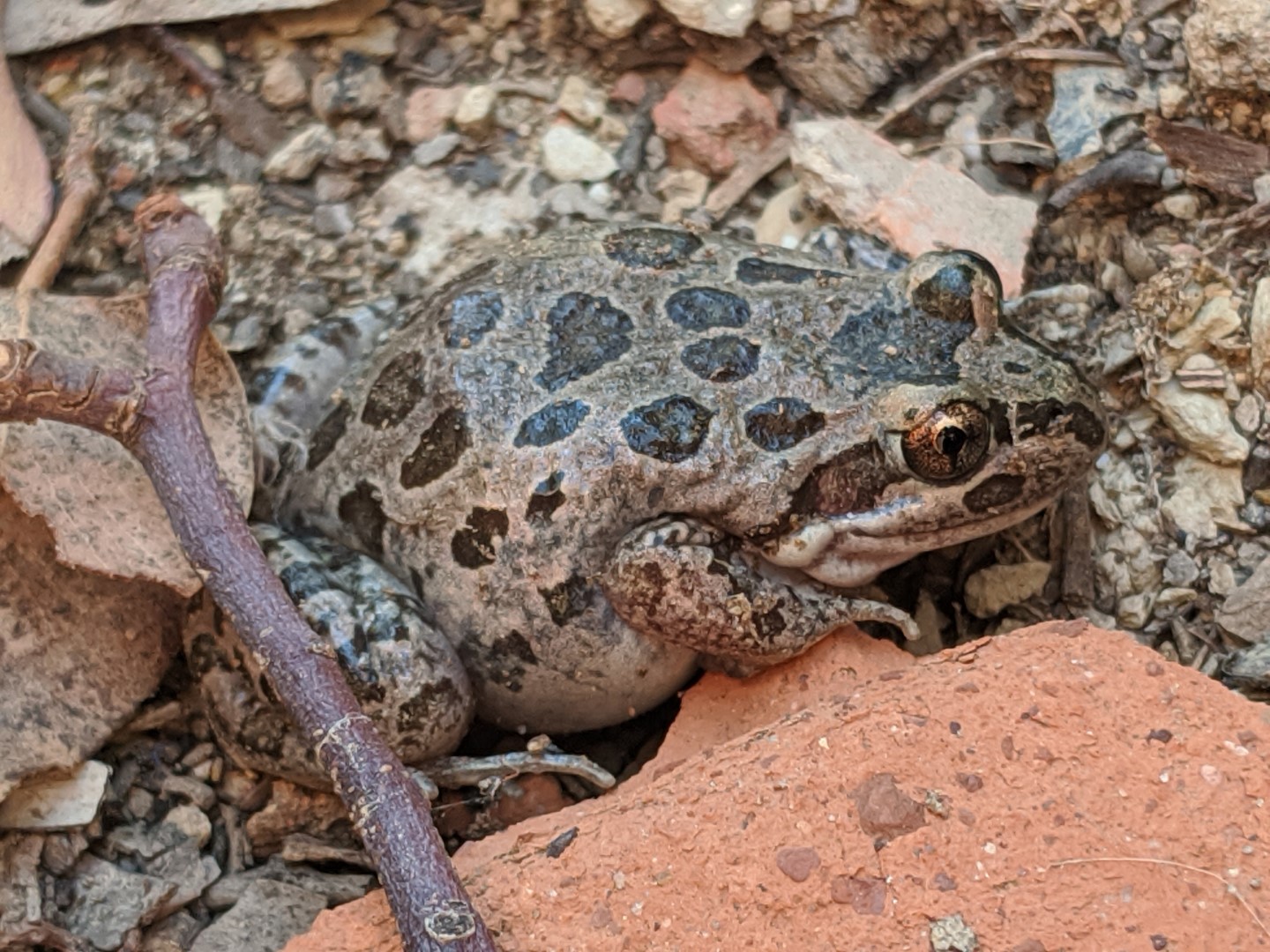
Spotted Marsh Frog (photo by Frances Howe)
Tanya’s tawny tales: a good news story
Posted on 27 March, 2020 by Ivan
We were thrilled to receive a well-written story from our former superstar staff member, Tanya Loos, about the journey of a Tawny Frogmouth. Tawny Frogmouths are often confused with owls, but are actually more closely related to the nightjars. Tanya gives us a great insight into these magnificent creatures and the journey of a special Tawny’s road to recovery. Please enjoy the following words and photos from Tanya.
The question I am most frequently asked is ‘I have found a bird that seems to be hurt – what should I do?’ It is always the same answer – capture the bird using a tea towel or towel, and place into an appropriately sized cardboard box. Then pop the box in a quiet room away from pets and people – and call a wildlife rescue number for assistance.
Usually it is a friend or local person – but a couple of weeks ago I got ‘the question’ via text from my teenage nephew! Heart burst moment! Nephew and Mum had seen a bird on the road in Hepburn – an owl they thought, that wasn’t flying away.
The owl turned out to be a Tawny Frogmouth – a much loved night bird that is commonly found in local forests and gardens. Even though Tawnies are brownish grey in colour, like owls, with big round eyes, like owls, they are quite different , and in a completely different bird family.
Owls (Strigidae family) are predators who hunt and kill their prey with their huge fierce talons. Tawny Frogmouths capture their prey – mice, frogs, and insects with their beaks. Their feet are strangely weak, without big claws, and are used only for perching.
In Australia, we have three species of Frogmouth in the Podargidae family – the Tawny which is found all over the country, and the Papuan and Marbled Frogmouths which are found in Cape York and southeast Queensland.
Another difference between owls and Frogmouths is that Frogmouths are masters of camouflage, with finely patterned feathers, who adopt a special ‘broken stick’ posture, where the Frogmouths close their eyes and point their heads up to the sky. Owls never do this.
One of the golden rules of wildlife rescue is that if an animal survives and can be released, it must be released where it was found. Animals such as Tawny Frogmouth have specific territories or home ranges – where they know where the best places to find food are, the best sleeping (roosting) sites and nesting sites. This area is also where their mates or family members are! Our family Tawny was taken to a wildlife carer in Gisborne – and after a week or two, I travelled down to see if the bird was ready for release.
In the picture you can see the loving hands of Lynda the wildlife carer as she was checking whether Tawny’s wings were strong enough to fly. You can also see that the feathers are slightly brown – which means she is a female bird! The males are completely grey – a lovely ash colour, with the same fine patterning.

Tawny Frogmouths are often confused with owls, but are actually more closely related to the nightjars (photo by Tanya Loos)
Tawny wasn’t ready then, but yesterday Lynda texted me saying that Tawny has made a full recovery and is now ready to go back to her Hepburn forest.
The car collision must have been a mild one. Sadly this is the exception – as animal loving folks know – death by car is all too common. Driving slowly and carefully at night, dusk and dawn is the only solution.
To contact Wildlife Victoria phone: (03) 8400 7300 – and they will refer you to one of the many local wildlife carers in our region.
by Tanya Loos
Connecting Country still hard at work!
Posted on 25 March, 2020 by Frances

Koala at Moonlight Flat (photo by Frances Howe)
Here at Connecting Country we take our social responsibility seriously, and while there are landscapes and people needing our help, we continue to operate and support our community. However, it may be in a slightly different format to normal to reduce infection risk.
In the interests of health and safety, all our staff are working from home as much as possible. Therefore our office at the Hub is temporarily closed. However, you can still contact us via phone or email. If there’s no answer on the office phone, please leave a message and we’ll get back to you. Our operating hours are unchanged: 8.30 am to 4.30 pm Monday to Thursday.
We are reworking our planned community events, converting them to online workshop format or postponing to later in the year. We’re reviewing our other activities with the aim of continuing our important work where possible without risking the health of our staff or community. Although some tasks will not be possible, there is much we can still do.
We will be adaptable and stay focussed until we all come through the other side of this difficult time.
We appreciate your support in helping keep our community and environment healthy! Please enjoy our favourite video below, from Remember the Wild, about our Woodland Bird Program.
Prickly plants providing homes for wildlife
Posted on 19 March, 2020 by Ivan
Eucalyptus trees, their abundant nectar-rich flowers and the hollows that develop in older trees are typical habitat elements that spring to mind when thinking about wildlife habitat in Box-Ironbark Forests and woodlands. While these overstorey habitat elements are important, we also know that a diversity of understorey plant species are necessary for healthy resilient local forests and woodlands. And importantly for wildlife, this layer of vegetation within our local forests, gives protection, food and places to nest for many species of insects, small mammals, reptiles and birds, allowing them to survive and reproduce, and disperse through the landscape.
From clearing and disturbance that occured during the goldrush, the introduction of grazing animals over time, and invasive plants and animals, understorey plants have been lost or have greatly decreased in distribution and regeneration success throughout our landscape. This loss of species diversity reduces the complexity of habitats and their ability to respond, or bounce back from threats such as climate change.
Thankfully Connecting Country have secured funding over the past few years to return a suite of these understorey plants (many of which are prickly) to our region through landholder support and education to restore these vital species.
The most recent project supporting this work is ‘Prickly Plants for Wildlife on Small Properties’. The main focus of this two-year project is assisting landholders on smaller properties who may have missed out on previous Connecting Country projects that typically targeted larger properties (>10 Ha).
Connecting Country staff met with landholders who expressed interest in restoring the bush on their property, to assess the vegetation, identify threats and provide tubestock plants of local species suitable for their vegetation type. Where older eucalypts with hollows were lacking within the bush on these properties nestboxes were installed for species such as Brush-tailed Phascogale, Owlet Nightjar and microbats. This project is generously funded by the North Central Catchment Management Authority to improve the health and management of our landscape.

Landholders in the Mount Alexander region of Victoria have planted local indigenous species of understorey appropriate for their vegetation type.
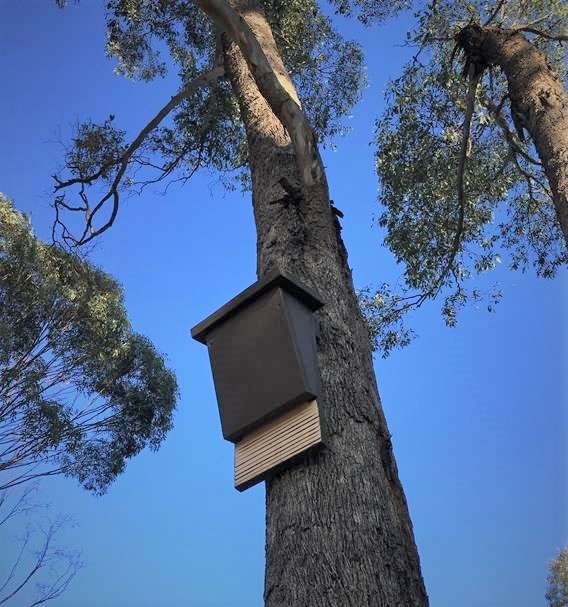
Microbats were provided with homes through installation of nestboxes on properties lacking natural tree hollows.
Birdlife Castlemaine’s April 2020 bird walk: Cancelled
Posted on 19 March, 2020 by Ivan
Unfortunately, our partners at Birdlife Castlemaine have cancelled their monthly bird walk scheduled for 4 April 2020 at Rise and Shine Bushland Reserve VIC. Please see their notice of cancellation below.
If you can’t get out to your favourite spot in coming weeks you may like to sharpen your bird watching skills via the excellent eBird Quiz, which allows you to specify the location and time for each quiz you do. Try your skills on the eBird quiz choosing either images or bird calls from your local area (it will ask you to create an account or login first). And you can also check out our previous post on the eBird quiz or Merlin bird identification app.
‘The committee of BirdLife Castlemaine District Branch wishes to advise that because of the health concerns surrounding the COVID-19 pandemic, the bird walk scheduled for April 4 at the Rise and Shine Bushland Reserve will be cancelled. We will monitor the situation and advise if further walk cancellations are required. In the meantime, we are looking at other activities that individual bird watchers can undertake during this period of “social distancing”, so please watch out for further news!’
Best wishes,
Secretary
BirdLife Castlemaine District Branch

Jacky winter side. Photo: Peter Turner
Who’s who in the Connecting Country zoo: Asha
Posted on 18 March, 2020 by Ivan
What motivated you to join Connecting Country?
While studying environmental science at Deakin Uni, we learned about habitat fragmentation and the importance of landscape connectivity. So, when I heard about a project called ‘Connecting Landscapes’ happening in my own hometown, I had to learn more! I came along to one of Connecting Country’s birdwatching workshops, met some amazing people, and I was hooked. Working at Connecting Country gives me the opportunity to do meaningful, rewarding work in close partnership with our community to care for our precious local environment. I am a strong believer in the power of community when it comes to land management and conservation.
What have you learnt from your time at Connecting Country?
So much! I learn new skills every day from the other staff on our team and from the Landcare volunteers I work with. Also, working with our local Landcare groups has affirmed for me just how much community groups of volunteers can achieve (answer: a lot!).
Which projects do you manage at Connecting Country?
I have been working as the Mount Alexander Region Landcare Facilitator for just over four years now. During this time I have also managed various other projects, such as reptile and frog monitoring and nest box monitoring projects.
However, I am taking six months unpaid leave from mid-March 2020 to go travelling. During this time Jacqui will be our Landcare Facilitator.
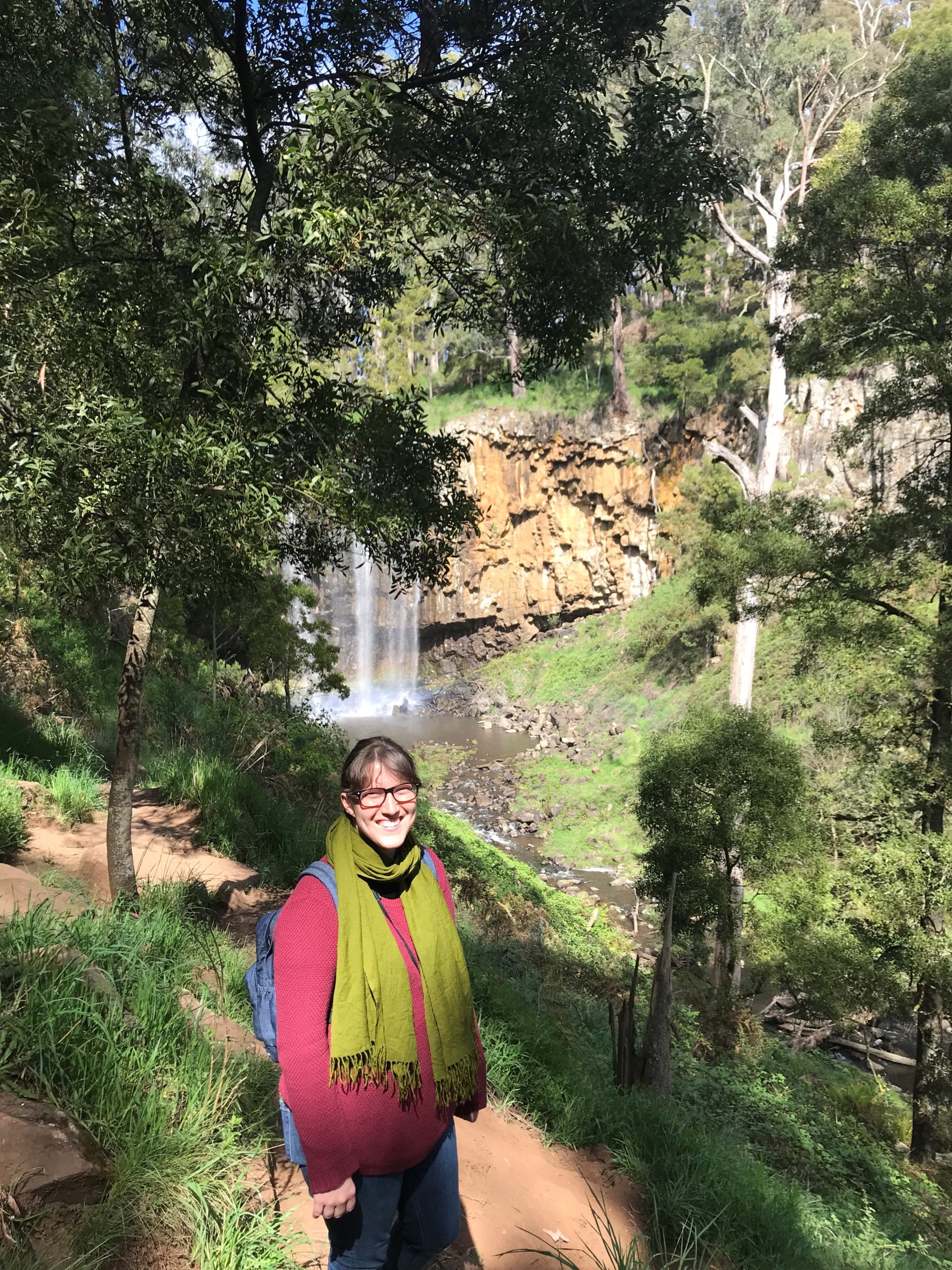
How did you first become interested in our natural environment and our unique ecosystems?
I was lucky enough to spend lots of time in nature with my family when I was young, bushwalking and exploring different places in our local area and elsewhere. I also have fond memories from studying biology at school – looking at aquatic macroinvertebrates from the dam next to campus under the microscope made me realise there’s a whole lot going on out there that we don’t often see. It changed how I looked at the world and made me want to learn more about environmental science.
How do you spend your time away from work?
When I’m not at work I love going birdwatching, camping at Leanganook, or playing a good board game with friends.
What is your all-time favourite music album, and why?
‘Take care, take cover’ by The Mae Trio. Songs like ‘Heart of a storm’ perfectly describes for me the feeling of relief of getting back to nature when you really need it.
What is your favourite place to visit in our region and why?
There was a site in Glenluce where I did bird surveys during my Honours that was smack bang in the middle of the bush. During spring it came alive with wildflowers, and it is the only place so far I’ve been lucky enough to see a Painted Button-quail.
Favourite movie?
The first one that comes to mind is ‘Ever after’, because I have watched it many times! It’s a nostalgic one from my childhood, but I also loved rediscovering this interpretation of the story as an adult.

We wish Asha a fantastic break while she’s away on six months leave from mid-March 2020. During this time, Jacqui Slingo of Connecting Country is our Landcare Facilitator for the Mount Alexander Region.
Young Farmers Advisory Council seeking members
Posted on 18 March, 2020 by Ivan
It is important we encourage and support the next generation of farmers to the land and empower them to manage their land in a sustainable manner. Expressions of interest are now open to join the Young Farmers Advisory Council. Please see details below if you are interested in pursuing this opportunity to inform and influence the government on sustainable agriculture.
The Victorian Government is seeking enthusiastic, skilled and dynamic young people, from all agricultural industries and regions, to join the Young Farmers Advisory Council. Council members represent the interests of young farmers and provide advice to government on issues and program delivery affecting young people in agriculture.
The Young Farmers Advisory Council provides a strong voice for young people in Agriculture. The Council also serves to develop the sector leaders of tomorrow.
The Council is a group of eight dynamic and motivated young people from various agricultural industries and regions, who advise government on issues affecting young people in agriculture and on program delivery. Council members also act as young ambassadors to attract new entrants to the state’s vibrant agriculture sector.
To express your interest or for more information go to www.getonboard.vic.gov.au
Expressions of interest close: 22 March 2020.
For further information regarding the Council and appointment process, contact Gemma Heemskerk on (03) 9938 0161 or youngfarmer.coordinator@agriculture.vic.gov.au
Photographers of the Goldfields 2020 – show extended
Posted on 18 March, 2020 by Frances
The Photographers of the Goldfields show at Newstead Arts Hub will be on for another two weekends: 21-22 and 28-29 March 2020.
For further information on the exhibition, see our previous post – click here
Or visit the Friends of the Box-Ironbark Forests website – click here

Early morning on Mount Alexander (photo by Bronwyn Silver)