

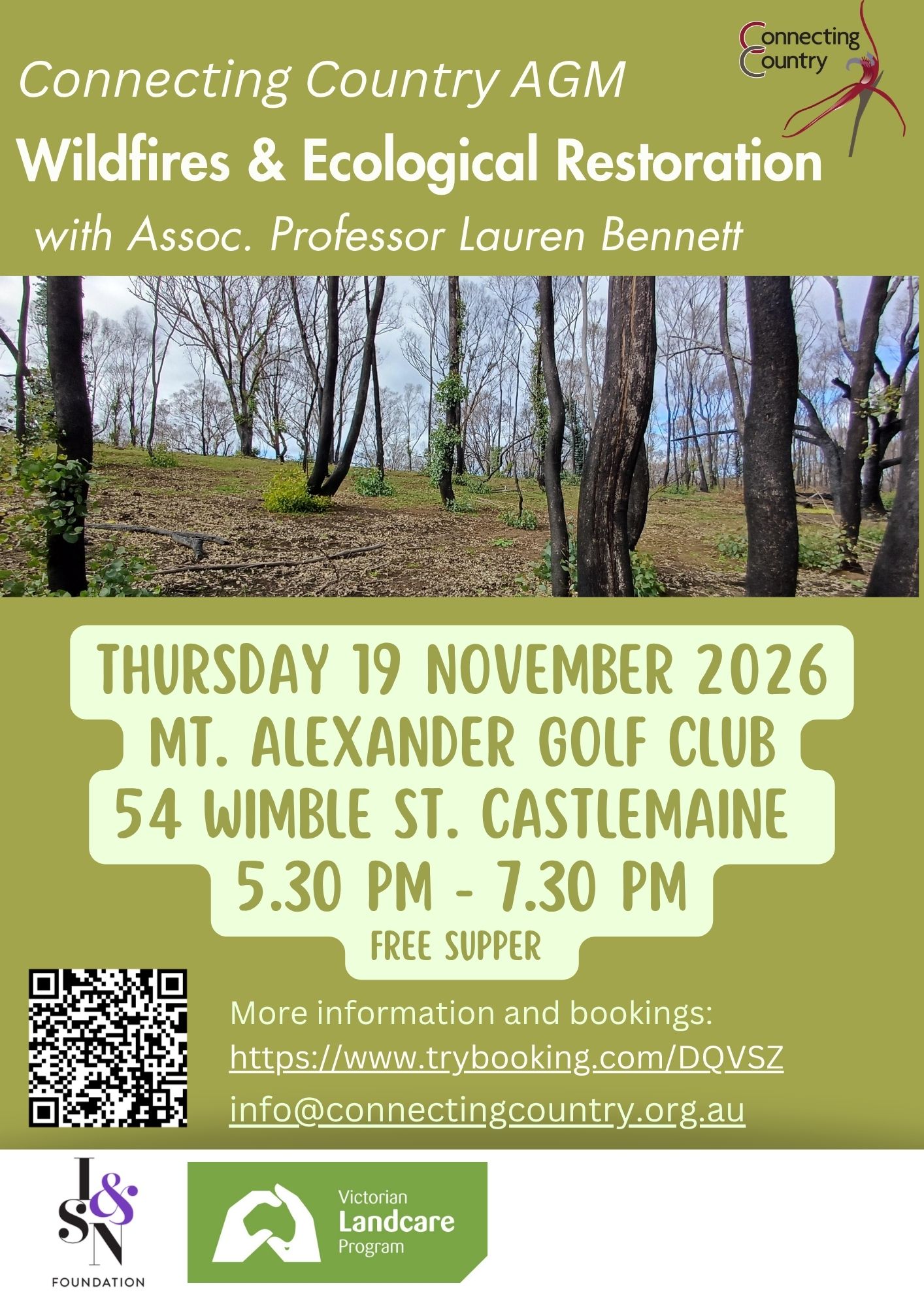
Wildfire & Ecological Restoration Presentation Thurs 19 Nov 2026
Posted on 22 October, 2026 by Hadley Cole
Connecting Country’s 2026 AGM is coming up in November, and this year we are excited to hear from Associate Professor Lauren Bennett from The University of Melbourne and FLARE Wilfire Research Group.
Following the fires in Harcourt and surrounds on January 9, we are all grappling with the big questions of how we can support local ecosystems in recovery. Lauren will talk us through the research to date that provides an insight in to ecosystem process after wildfire.
Pop this one in the diary! It will be a very topical and informative evening.
When: Thursday 19 November
Time: 5.30pm – 7.30pm
Where: Mt. Alexander Golf Club, 54 Wimble St. Castlemaine VIC
Cost: Free
For more info. and bookings click here
AGM and Annual Report documents will be released on the Connecting Country website prior to the event. Keep an eye out for these via the weekly e-news in your inbox!
Bird of the Month: Magpie
Posted on 22 October, 2026 by Hadley Cole
Bird of the Month is a partnership between Connecting Country and BirdLife Castlemaine District. Each month we take a closer look at a special local bird species . Thanks always to the brilliant Jane Rusden and Damian Kelly for these wonderful articles and fabulous photos.
Words written by Damian Kelly, Photo by Jane Rusden.
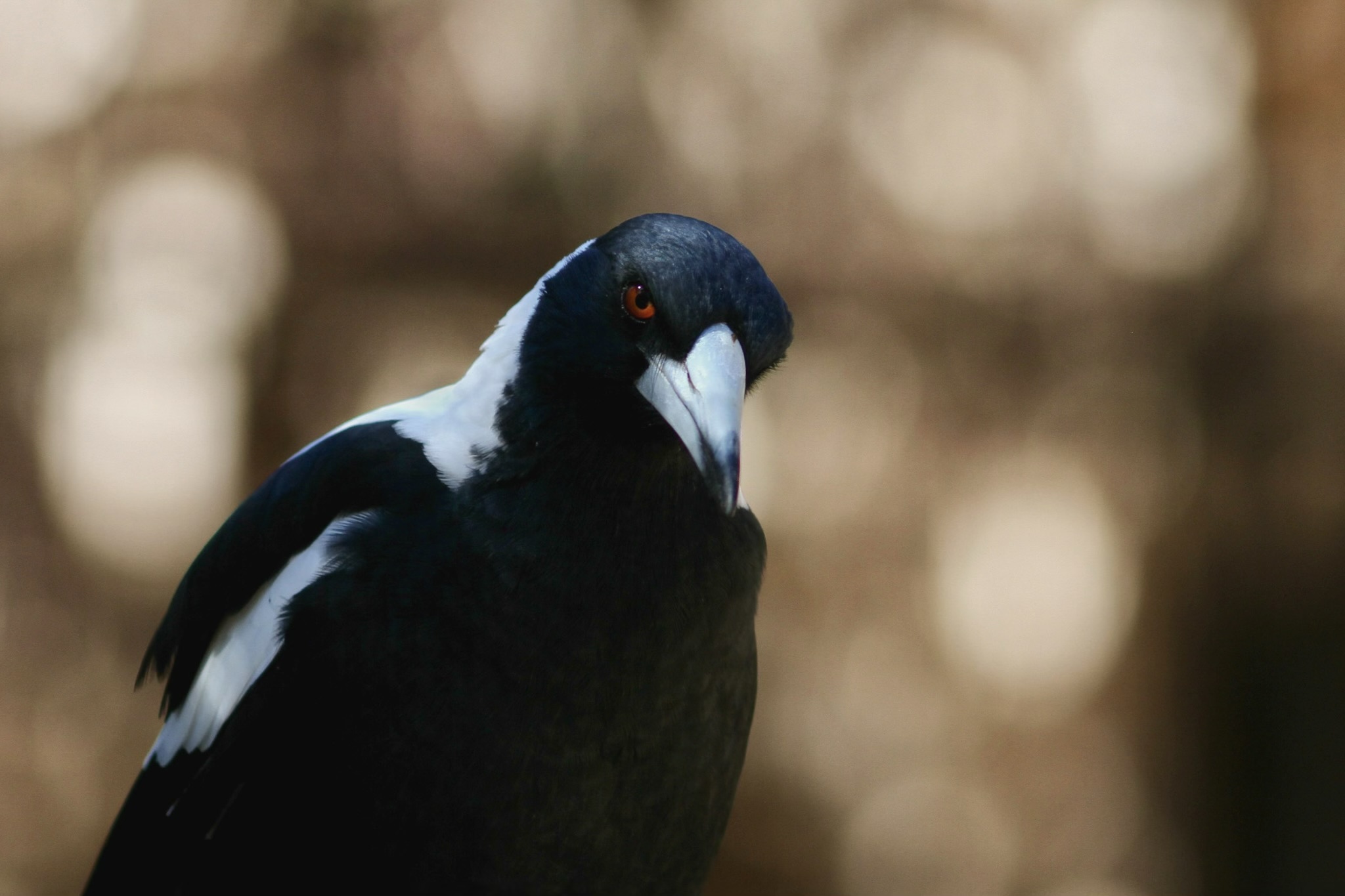
We’ve all felt like we were being watched by a Magpie! Jane Rusden capture this perfectly.
The Magpie has quite a reputation for a variety of different things. On the one hand people enjoy their beautiful calls and have even voted it Australian Bird of the Year in the past. On the other hand it can also have a bad reputation because of the behaviour of some male magpies in attacking people during the breeding season. Recently we were asked about a couple of instances of lone Australian Magpies, because they live in family groups don’t they? Well yes they do … mostly. The questions resulted in an exploration of the literature on Magpie behaviour. It’s an interesting story of family politics and how to make friends or foe of breeding Magpies. Be careful which you choose, they don’t change their minds easily.
Because of the propensity to attack people, quite a bit of research has been done on these birds, particularly by Darryl Jones and his PhD students at Griffith University in Queensland. Let’s start with some background. Magpies live on average 20 years and often occupy the same territory for breeding. They are also very smart. Various tests have shown that a magpie can recognise up to 30 individual faces and will remember them for many years. Nearly all magpie swoopers are male and they only do it during breeding season when young are in the nest, which is about 6 weeks. Out of season they don’t take much notice. And strangely they only attack certain people, cyclists and posties figure high on the list. But if you stop and get off your bike they usually lose interest. Some pedestrians also come in for attack.
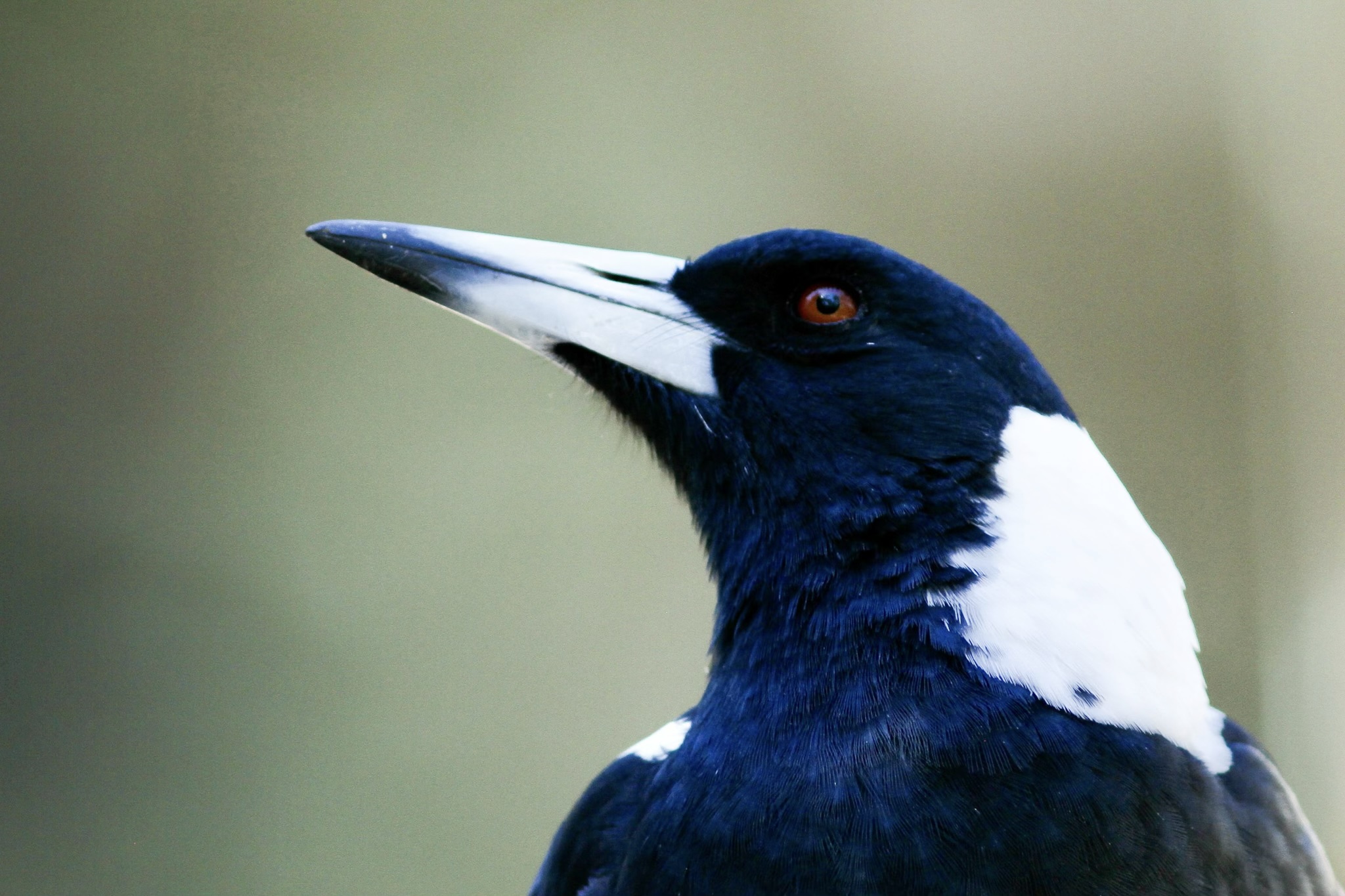
Male White-backed Australian Magpie. Photo by Jane Rusden.
Because of the danger of attacks Darryl and his team are often called out to capture birds and remove them from the area. They quickly leaned that the bird had to be taken at least 30 km away or it would be back. At first they also thought that removing the male would have a bad impact on the female and nestlings. However, they observed that when a male was removed, a local unattached male would soon appear at the nest. More importantly the new male would start to feed the young and be accepted by the female. It seems that there is always a floating populations of males just waiting for their chance and so life goes on. Only about 10% of males are prone to attack humans and generally the new parent is not aggressive.
As to why some people are attacked is still uncertain. One of Darryl’s students decided to behave like a goanna, circling the tree, climbing up slowly, arms out and so on. Very quickly he was the enemy and was attacked relentlessly, but others nearby were not swooped. Fast forward 6 years and this same person had never been back to that site. As soon as he appeared he was attacked. Evidence that a magpie has a long memory. Although there is significant research on the Magpie, there is still a lot to be discovered about them. In the meant time it seems best to make friends not foe with the local Magpies!
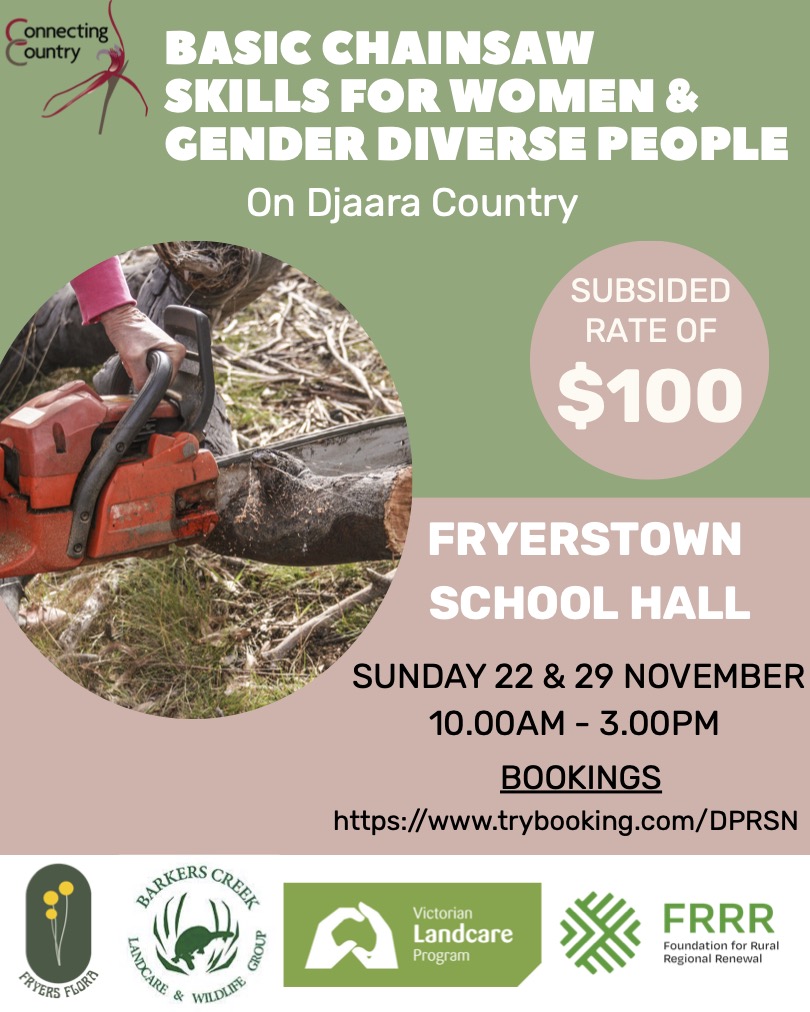
Chainsaw Course for Women and Gender Diverse People
Posted on 15 October, 2026 by Hadley Cole
As part of Connecting Country’s Community Led Resilience Project funded by the Foundation of Rural and Regional Renewal, we’re teaming up with Fryers Flora, offering heavily subsidised Chainsaw Training for Women and Gender Diverse People over two Sundays in November. Designed specifically for women and gender diverse participants in a supportive and inclusive learning environment, the training will be delivered by two qualified trainers and will focus on;
- Safe operation and maintenance of chainsaws.
- Essential Work Health and Safety (WHS) requirements, hazard identification and risk management.
- Chainsaw components, routine maintenance, chain sharpening and pre-start inspections.
- Correct fuel mixing, refueling procedures and equipment care.
- Develop confidence using safe cutting techniques for cross-cutting fallen timber.
- Receive practical instruction in safe handling, starting, carrying and transporting chainsaws.
- Practice effective communication, worksite awareness and emergency procedures.
- Combination of classroom theory and hands-on practical training, one day of theory and another using the chainsaws.
When: Sunday 22 and 29 November (must attend both days)
Time: 10am-3pm
Location: Fryerstown School Hall
Cost: $100 (heavily subsidised – usually $400)!
Bookings: click here
Suitable for beginners, the course offers learning in a small group with plenty of individual support and coaching.
Landscaping for Bushfire with Hamish MacCallum
Posted on 12 October, 2026 by Lori
As part of the Barkers Creek Climate Readiness Project funded by Foundation for Rural and Regional Renewal (FRRR), Hamish MacCallum, from local business Phoenix Wildfire Management and Fryerstown CFA will share his extensive knowledge on landscaping and plant selection for bushfire prone areas in this evening presentation in Barkers Creek.
Hamish began his career in indigenous revegetation and nursery work before studying permaculture, whole-farm planning and sustainable farming. Drawing on more than 20 years of firefighting experience in the CFA, combined with expertise in landscape and building design, permaculture principles and Indigenous plant knowledge, Hamish has developed an integrated approach to bushfire management. He designed and built a fire resilient home and landscape in the heart of one of Victoria’s most bushfire prone areas, combining practical experience with thoughtful, place-based design.
Hamish now runs a bushfire planning and management business, assessing bushfire risk across the state and providing expert planning and risk management advice to support resilient development outcomes.
Join us for this informative evening.
When: Tuesday 20 October
Time: 6-8pm (light meal provided)
Where: Barkers Creek Cricket Club
Bookings: click here
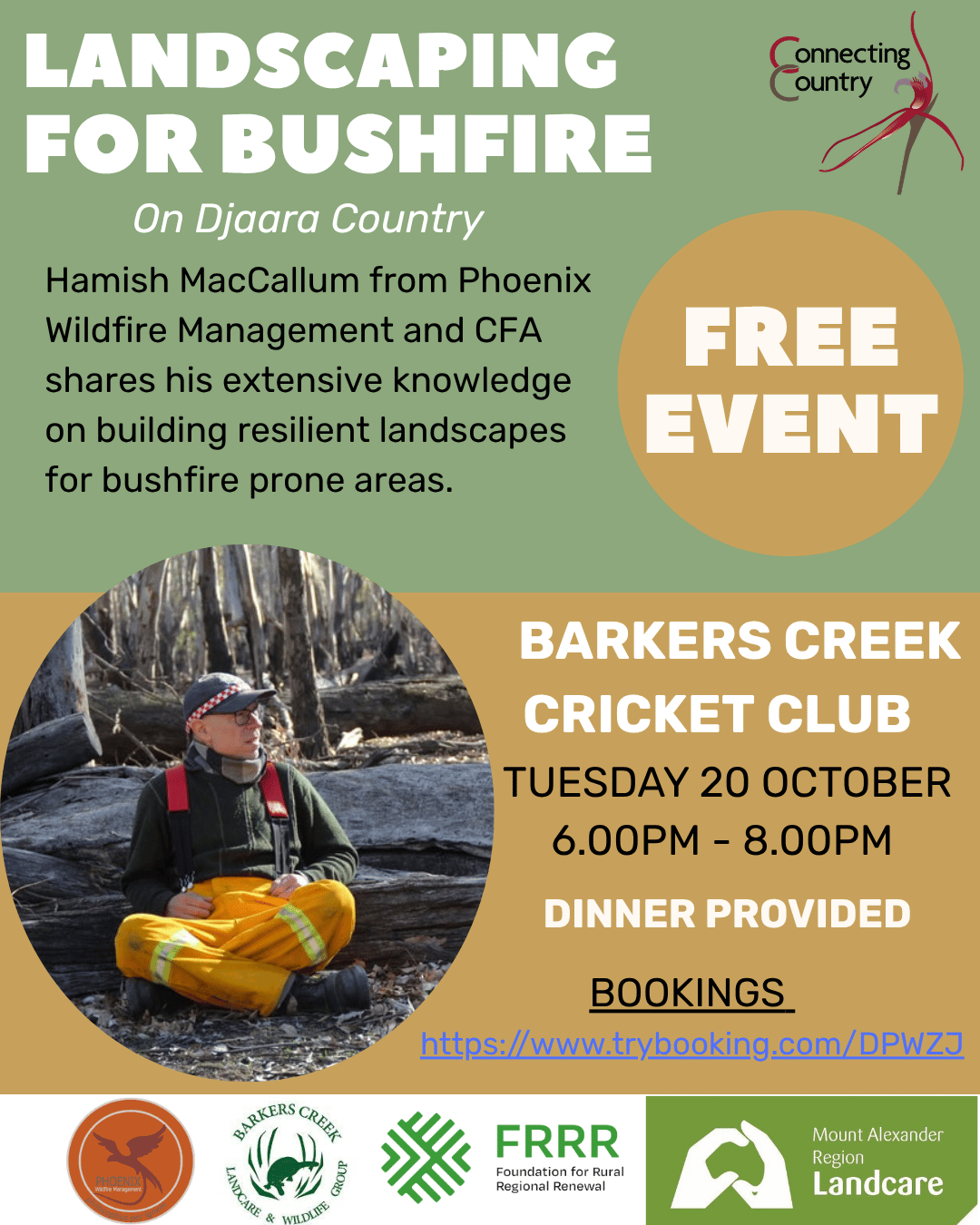
This event is being hosted by Connecting Country as part of the Barkers Creek Community Led Climate Readiness Project funded through the Foundation for Rural and Regional Renewal.
EVERYONE’S TALKING ABOUT INVERTEBRATES!
Posted on 9 October, 2026 by Lori
There are two presentations coming up in the district focusing on spineless wildlife. All are welcome to attend.
Tuesday 13th October – 7.30pm Newstead Community Centre
Ecologist Dr Lynda Wilson will give an illustrated talk on NATIVE BEES. Lynda has developed a deep knowledge of native bees and has photographed over 70 species on her property near Drummond. Lynda is guest speaker at Newstead Landcare’s AGM on Tuesday 13th October at Newstead Community Centre, Lyons Street Newstead at 7.30pm. The AGM will be brief then Lynda will introduce us to these extremely important insects. There will be a cuppa afterwards. Gold coin donations appreciated.
Monday 19th October – 6pm, Ray Bradfield Room
Michael Barkla will give an illustrated, free talk ‘Life from the beginning (according to invertebrates)’. He is drawing on observations over many years in the Box-ironbark forest. There will be a very brief AGM beforehand. The AGM and presentation will be at the Ray Bradfield Room 33 Forest Street Castlemaine (next to Victory Park and the IGA Maxi Car Park), starting at 6pm on Monday 19th October. Followed by a light supper.
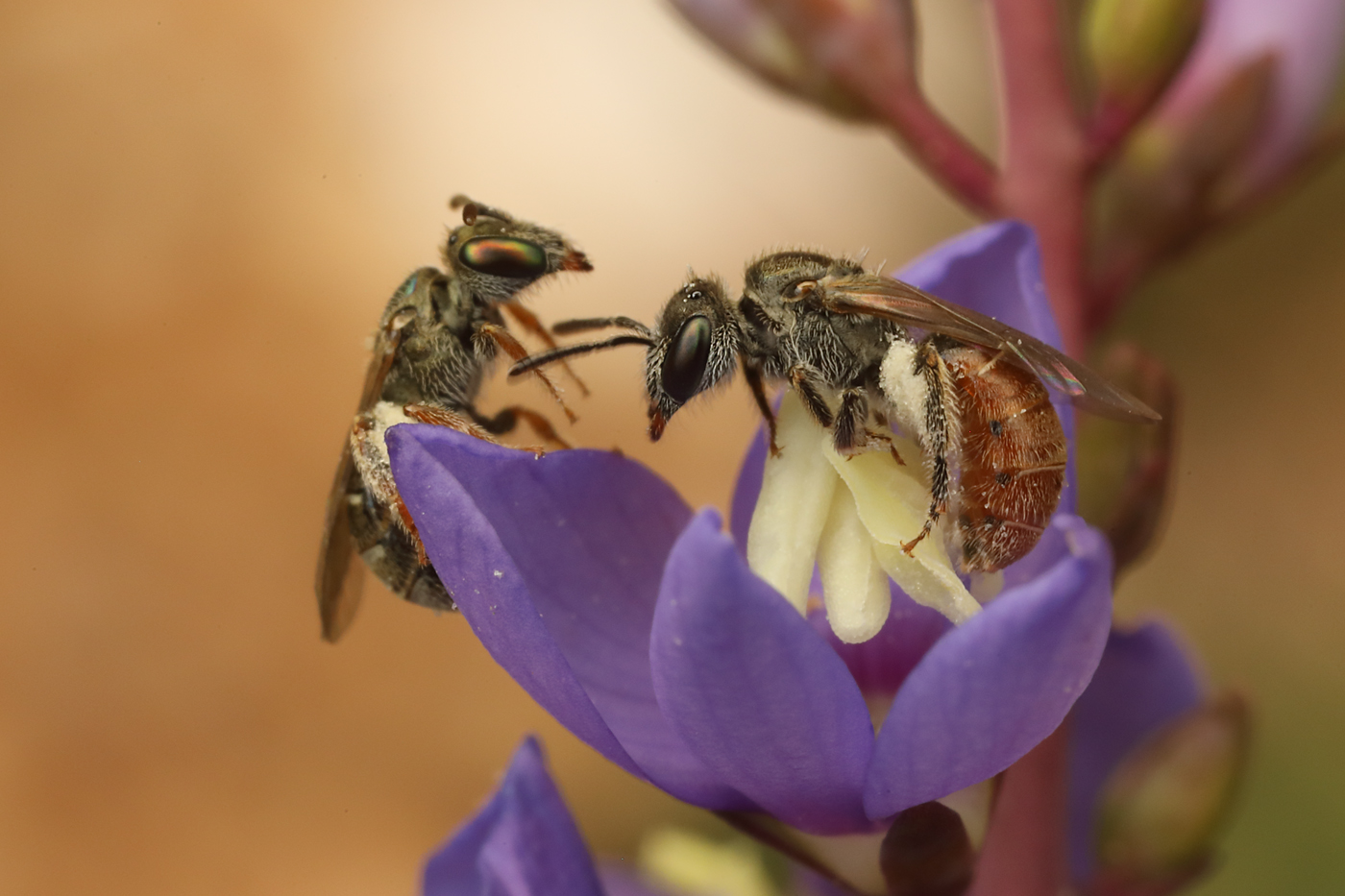
Photo: Native Bees (Lasioglossum species) on Diggers Speedwell flower, taken by Patrick Kavanagh
Measuring nature: a look into biodiversity monitoring -field day
Posted on 7 October, 2026 by Lori
Are you looking for ways to engage more with nature? Do you want to learn more about the conservation values of your Landcare site or property, the plants and animals that call it home or how the restoration works you are doing are changing over time?
Citizen science programs is invaluable at collecting a vast array of data in areas not often being monitored by formal programs. Apps and artificial intelligence (AI) are making it easier for those with limited ecological knowledge to get more involved in collecting and contributing biological data. Added to biodiversity databases, this information supports greater understanding of the state or our environment and supports more informed decision in how we care for it.
At this special field day, ecologists from Biolinks Alliance and Connecting Country will collaborate to provide information and practical demonstrations about various monitoring techniques applicable to citizen science. The workshop will include:
– how to design a monitoring program for a site and come up with good research questions
– how to manage, store, analyse and present data
– discussion about different types of flora and fauna monitoring techniques
– demonstrations of various monitoring equipment including trail and nestbox cameras and audiometers
– how to use AI to bolster citizen science programs.
The day will include both indoor and outdoor practical components and some walking will be involved.
When: Sunday 25 October
Time: 10am-2pm
Where: Barkers Creek Cricket Club
More information and bookings: click here
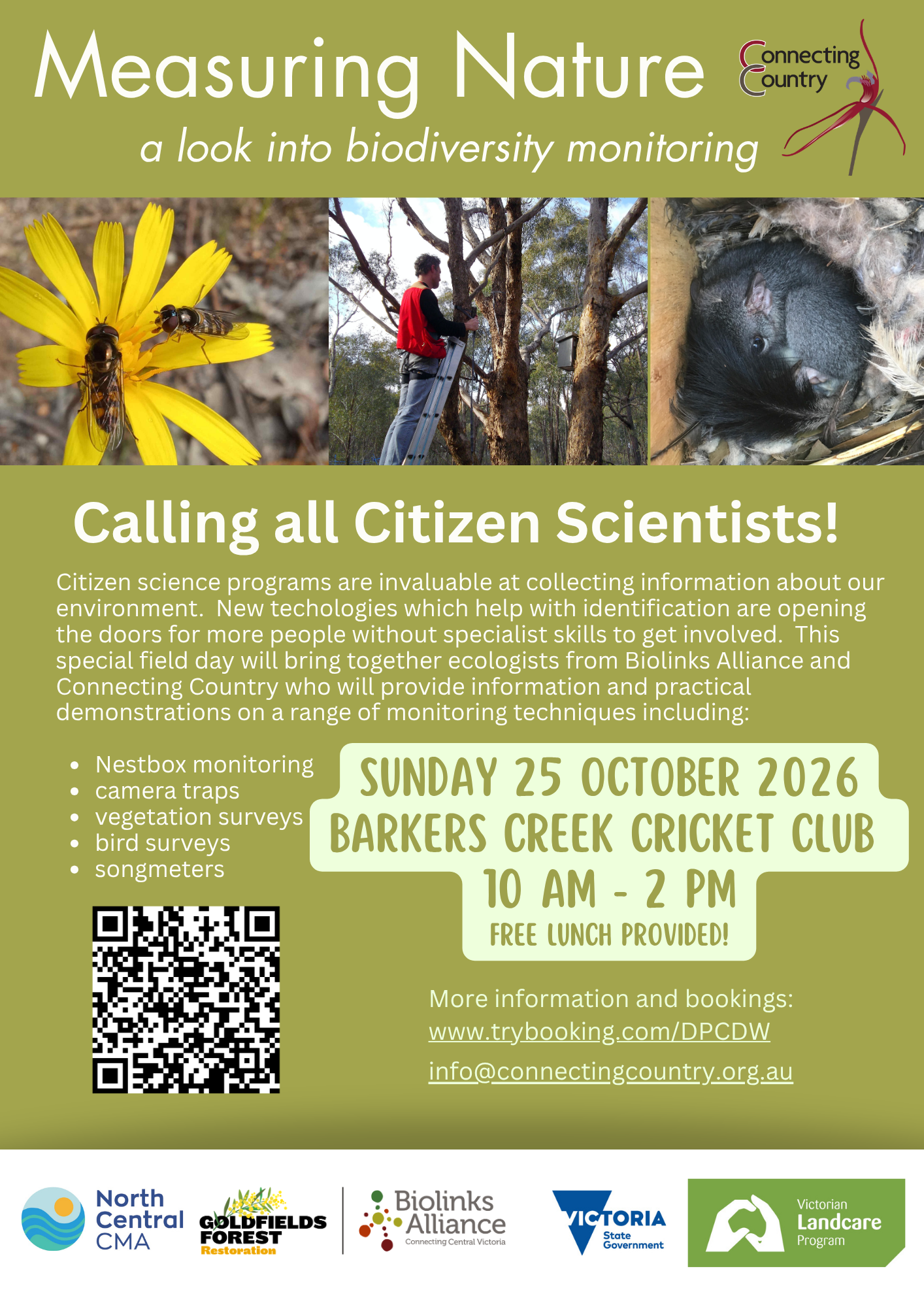
This event is supported by the Victorian Government and the North Central CMA through a Victorian Landcare Grant.
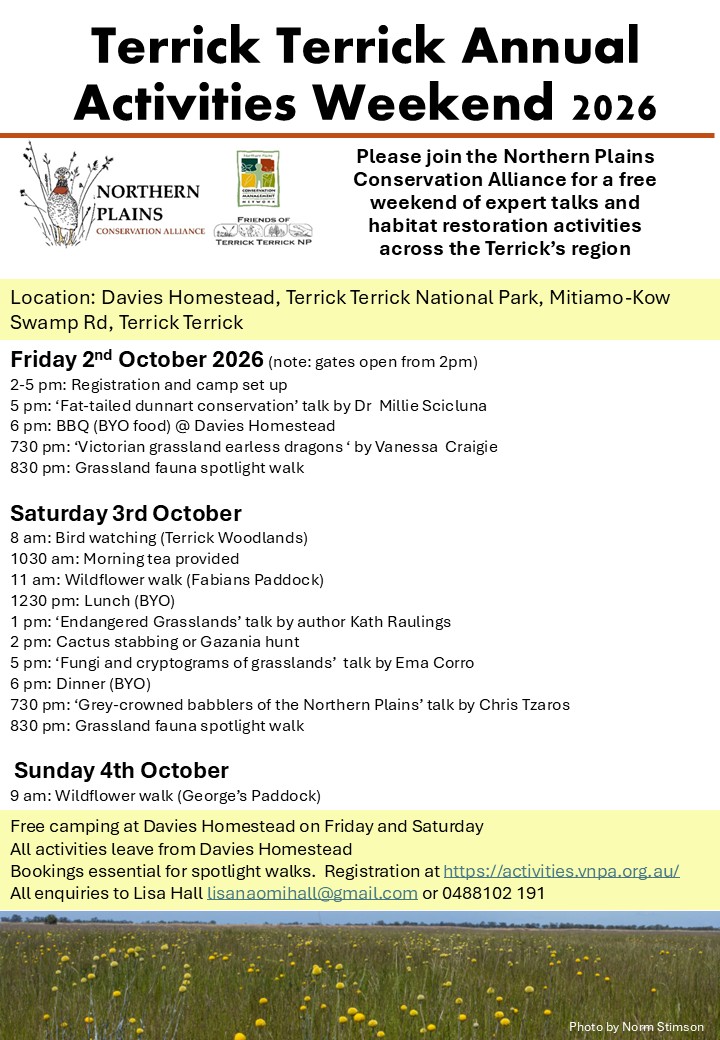
Annual Friends Weekend at Terrick Terrick
Posted on 17 September, 2026 by Bonnie Humphreys
The Friend’s of Terrick Terrick National Park & Northern Plains Conservation Management Network (Northern Plains Conservation Alliance) are holding their annual Friend’s Weekend. There is a terrific line-up of grassland plant and bird related talks and activities. Free Camping at Davies Homestead
Bird of the Month Article: Scent & Pheromones in Birds
Posted on 17 September, 2026 by Hadley Cole
Bird of the Month is a partnership between Connecting Country and BirdLife Castlemaine District. Each month we take a closer look at a special local bird species . Thanks always to the brilliant Jane Rusden and Damian Kelly for these wonderful articles and fabulous photos.
Words written by Damian Kelly, Photo by Jane Rusden.
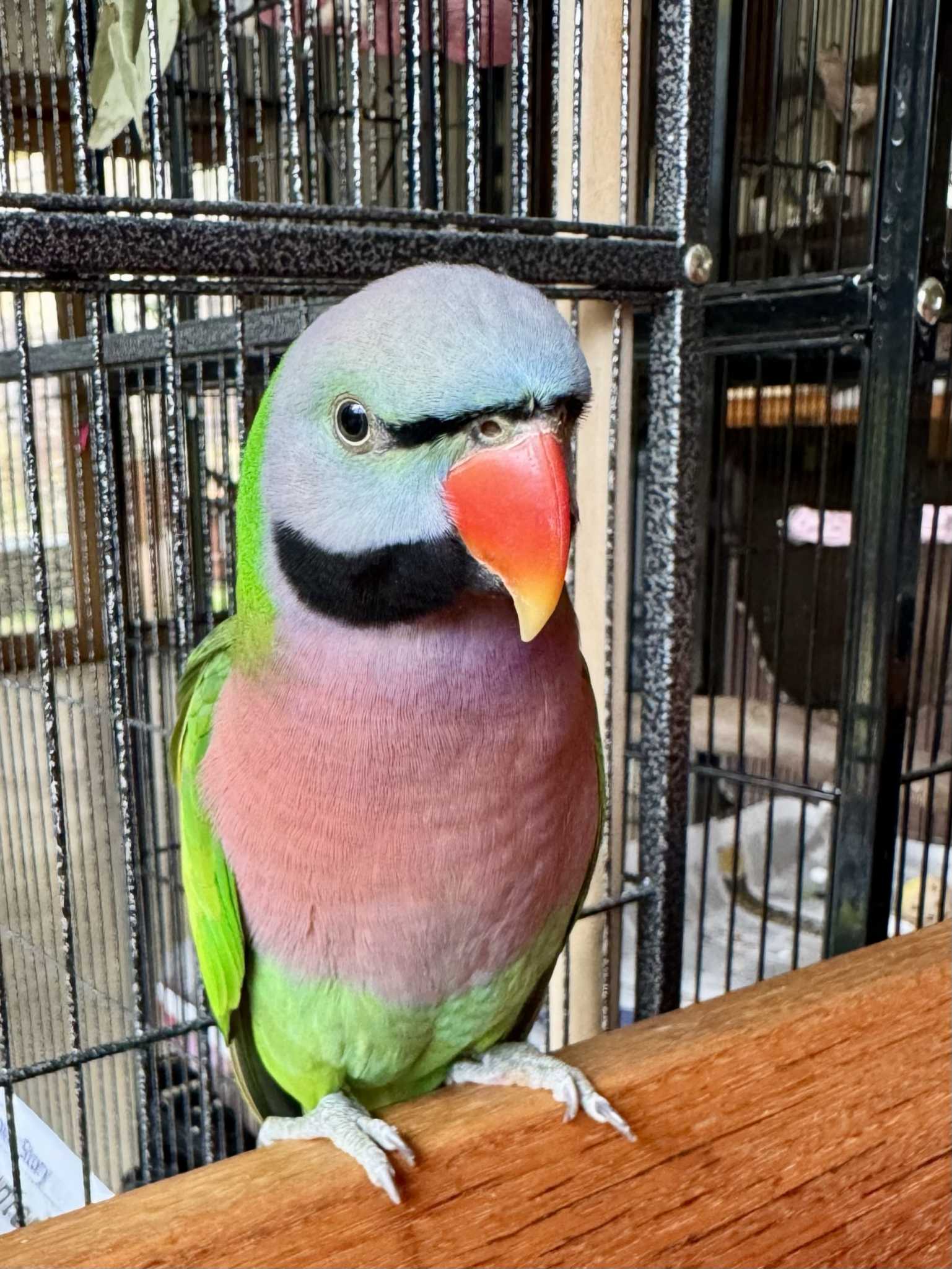
Red-breasted Parakeet having a chat and wafting his perfume, leading to questions about birds and pheromones. Photo by Jane Rusden.
When my rescue male Red-breasted Parakeet is happy and we are having quality one on one time, he’s eating a favourite food or going to bed (he loves bedtime), I’ve noticed he gives off a divine earthy scent of flowers, lavender and musk. Which has lead us to ask ‘Are pheromones a thing with birds?’ In this article we do an exploration into the world of bird noses, scents and smells.
Many animals use pheromones, a scented chemical secretion, to communicate with other animals which are often of their own species. If you see a moth with huge feathery antenna, you’re looking at a male and it’s apparatus for sniffing out females often over quite large distances, as she emits pheromones to attract a mate. Some mammals have scent glands just inside their anus, such as cats which spray territorial markers. Our local Long-neck Turtle are known to wee on you when moving them to safely off a road, a highly effective alarm system which stinks horribly.
What about birds? Various avian studies have demonstrated the complexity of avian olfactory structures, or noses, and indicated the relative importance of scent in species as diverse as kiwis, vultures and petrels, but also in species with much smaller olfactory features including various songbirds, pigeons, quail and chickens. Recent studies on pelagic birds (birds such as albatross and petrels that live on the open ocean) have found that these species use their sense of smell to create an olfactory map of the ocean, which they can then use to navigate when visual clues are not available, which is not unusual when you are living on the open ocean. Anyone who has been on a pelagic birding trip will be familiar with birds being attracted to fish waste. Sea birds are strongly attracted to fishing burley (chum) slicks because the scent of ground fish, oil, and small particles signals an easy meal. More examples of birds using smell in behavioural studies in particular, have now demonstrated that many species of birds use scent for a variety of things. From orientation in homing pigeons, food location in kiwis, vultures and petrels and the recognition of various odours in domestic chicks.
Interestingly, use of aromas can be cross species. Studies in Europe show that Blue Tits avoid entering their nests when there is an aroma of known predators around and it is likely that ground nesting birds such as waders use scent to confuse predators that rely on smell to detect nests and chicks. Which makes sense as wader nests are usually a rudimentary scrape on the ground and very exposed, relying of camouflage to hide them from predators that predominantly use vision to locate a meal.
Perhaps the clue to the scent given off by my Red-breasted Parakeet is a common local species, the Musk Lorikeet, also a popular aviary bred species which is well known for its distinctive scent. Its name is a giveaway and its aroma is often described as a combination of honeyed florals and a sweet earthy musk. It’s most likely the source of their earthy floral and musky scent is the birds preening oil, secreted from a gland on their rump. Scientific situations such as mist netting and bird banding, suggests these species don’t have a scent. However if the birds only waft pheromones when they are with their favourite person, it makes sense bird banders don’t get the olfactory pleasure of a nose full of parrot perfume.
A Fine Feathery Festival for 2026!
Posted on 17 September, 2026 by Hadley Cole
From September 5 – 11 Connecting Country, Birdlife Castlemaine and Castlemaine Field Naturalist Club hosted the 2026 Feathery Festival, a festival celebrating our local birds. The festival was kicked off with a guided bird walk along Campbells Creek, followed by a plant sale and morning tea out the front of the Good Op shop on Saturday 5 September. This was a well attended event with 50 plus walkers joining the bird walk and many others heading to the plant stall to purchase plants for bird habitat provided by Newstead Natives. The rain held off for the walkers in the morning, and the rain the night before brought the birds out for the watches to enjoy! Spotted Pardalote’s where out and about in fine form, performing for the photographers.
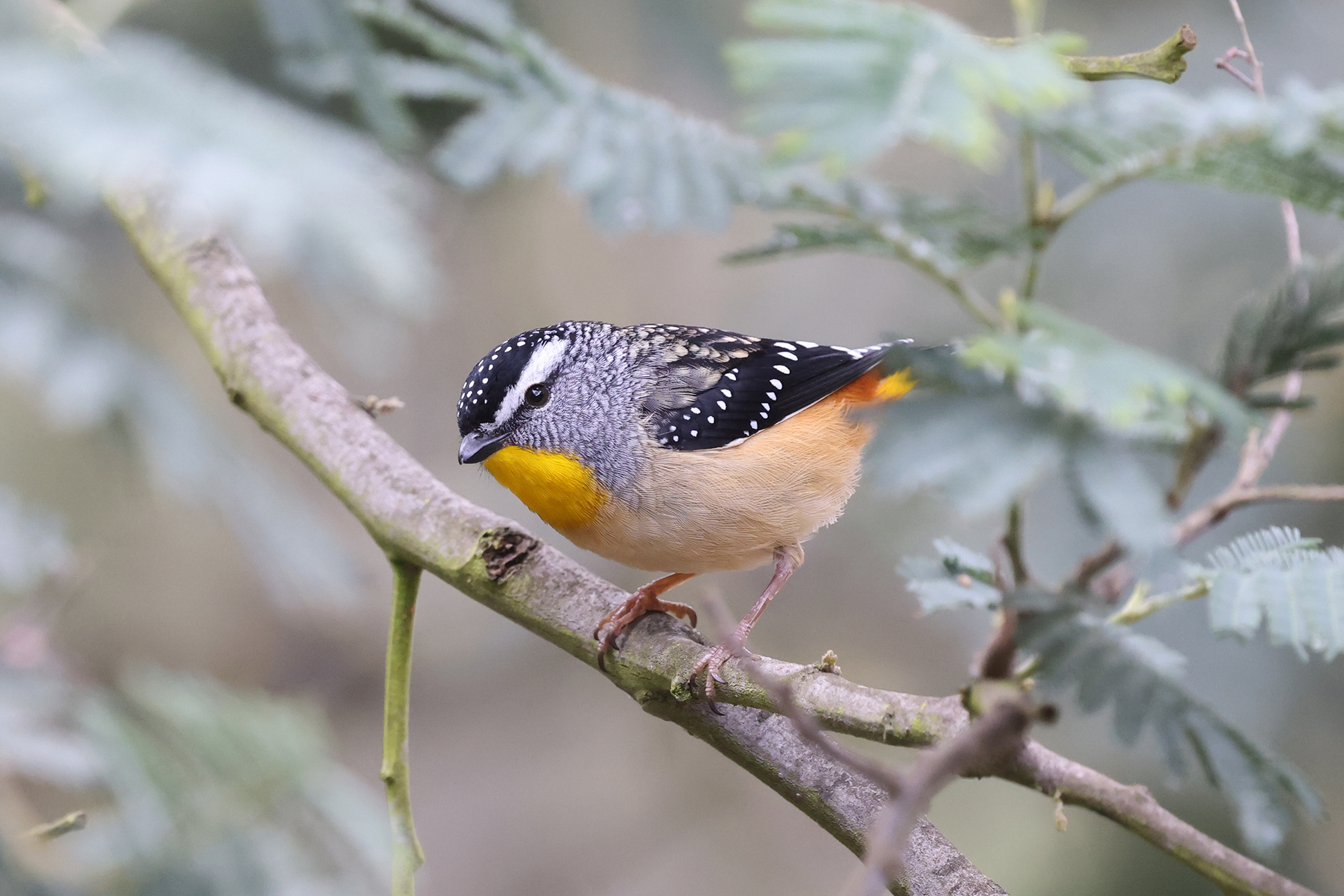
A male Spotted Pardalote posing for the camera. Photo by Ash Vigus.
On Sunday the 6 September Birdlife Castlemaine hosted a Nature Journaling session and Sticky Beak Property Tour at a property being restored for bird habitat in Moonlight Flat. Local artist Jane Rusden led participants in a Nature Journaling session. Frances Howe from Birdlife Castlemaine reported;
“Our keen nature journalers enjoyed a meander along Moonlight Creek, flowing thanks to recent rain. We imagined what it might have been like before European settlement, when the area was woodland with a diverse understorey of native shrubs, herbs and grasses. It would have been rich bird habitat, until the 1850s gold rush turned the land upside down. We admired Castlemaine Landcare’s tireless work to restore the degraded waterway for wildlife and the community, and learnt about the restoration efforts in progress at the adjoining private property. The birders among us delighted in watching some Red Wattlebirds feeding their young fledgling.”
To complete the morning our group was treated to a visit to Rhyll Plant’s nearby studio, where she showed us how to print directly from feathers. Rhyll is a scientific illustrator and master printmaker. We were enthralled by her skill and the incredibly detailed prints she produced. And then, we got to have a go and make our own prints to take home. At Rhyll’s place we heard Rufous Whistler and saw a gorgeous flock of Yellow-rumped Thornbills. It was a magical morning. “
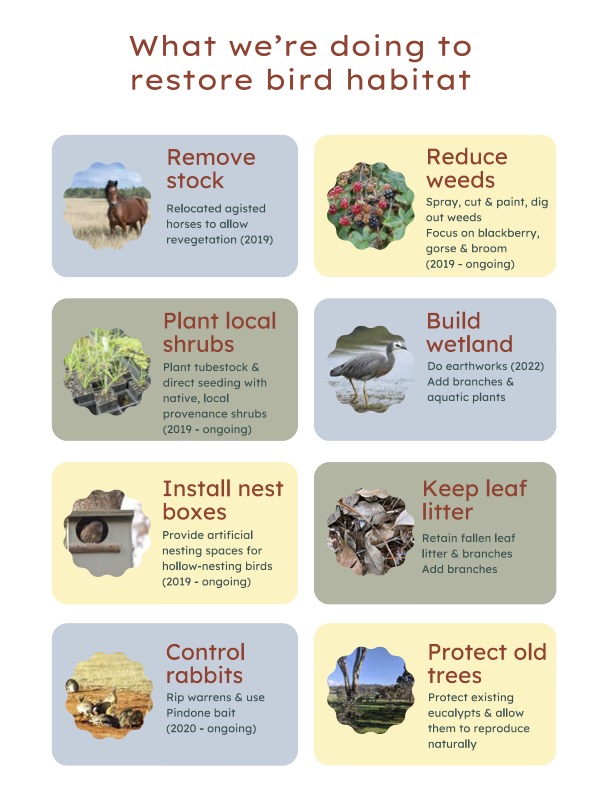
On the afternoon of Sunday 6 September there was opportunity to visit a local property at Moonlight Flat and take a Sticky Beak at all the restoration work the owners have been doing. Property owner Frances reported “visitors took a short self-guided walking tour across the property. In 2018 the 17 ha property was paddocks full of weeds and a handful of remnant eucalypts. The tour demonstrated some of the practical actions you can take to create bird habitat and help wildlife at your property. Although still a work in progress, the property is now used by more than 60 bird species.”
The head line event for the Feathery Festival; In the Company of Birds, was hosted by Connecting Country and Birdlife Castlemaine at The Goods Shed in Castlemaine on Thursday 10 September. This was a sold out event with 150 attendees all excited to see a panel discussion hosted by Weekend Birder, Kirsty Costa speaking with award winning artist Kate Gorringe-Smith and beloved local and acclaimed artist Jane Rusden. Kirsty guided the conversation beautifully from Kate and Jane’s connection to nature from a young age to the joy and inspiration both artists gain from creating art inspired by nature. Kate spoke of the Overwintering Project she founded which aims to raise awareness of the migratory shorebirds that spend the greatest part of their year on the shores of Australia and New Zealand. The project calls on artists from across Australia and New Zealand to draw on the unique habitats of the migratory shore birds to provide inspiration for their art. The project has over 100 sites recorded through art that honour the shores providing sanctuary for migratory birds.
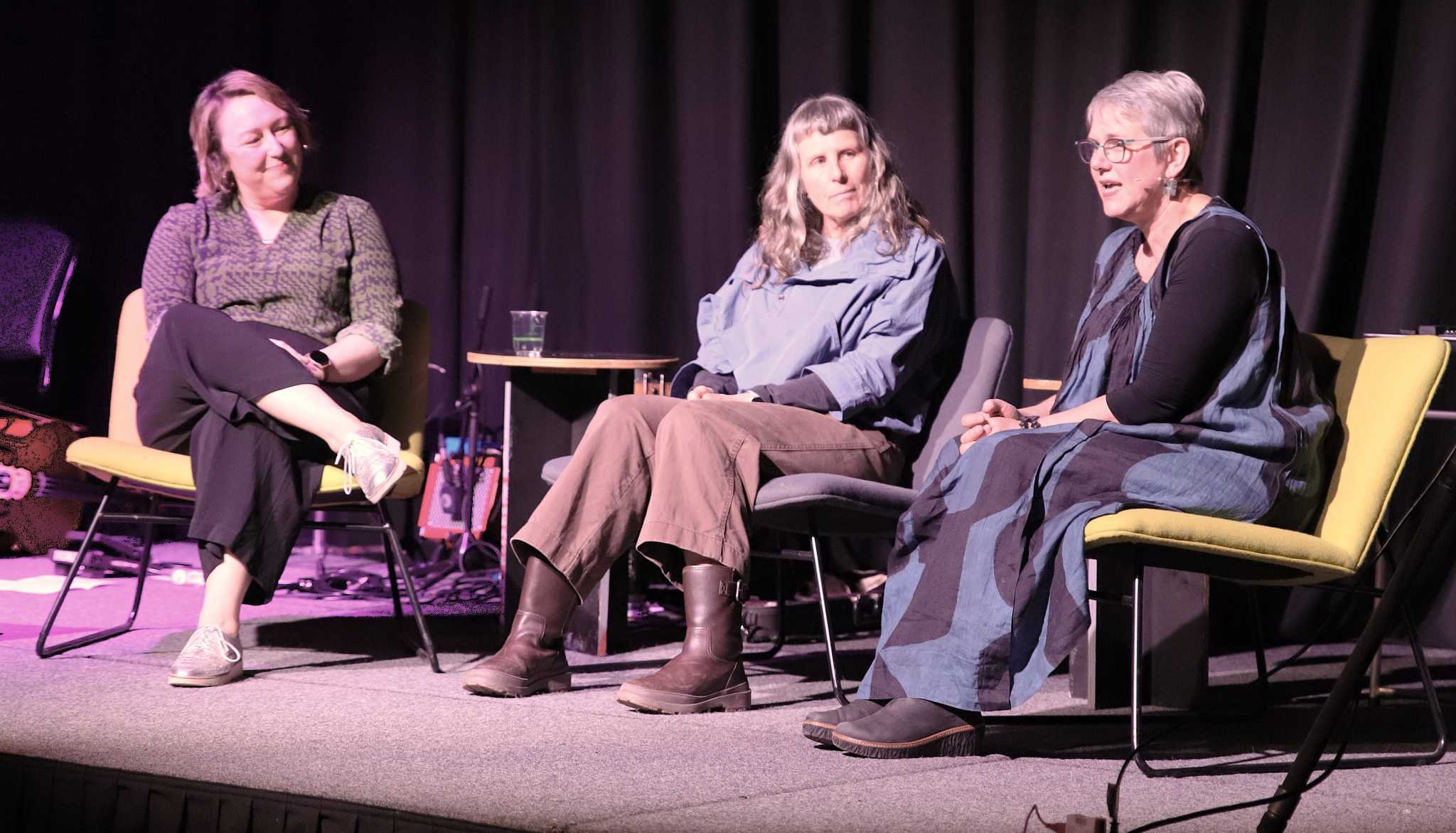
Kirsty Costa interviews Jane Rusden and Kate Gorringe-Smith, from right to left. Photo by Lou Citroën.
Speaking of migratory shorebirds, Kirsty and the panel guests marveled at the range flown by the fascinating Red-necked Stint that travels the distance from earth to the moon in their lifetime traveling between Tasmania and Siberia. And they only weigh as much as a Tim Tam (20 – 25 grams)! The conversation continued in awe of birds, as the panelists discussed birds as indicator species that tell a story about the environment. If birds are thriving, it means the environment is healthy, and we as humans also benefit from healthy ecosystems.
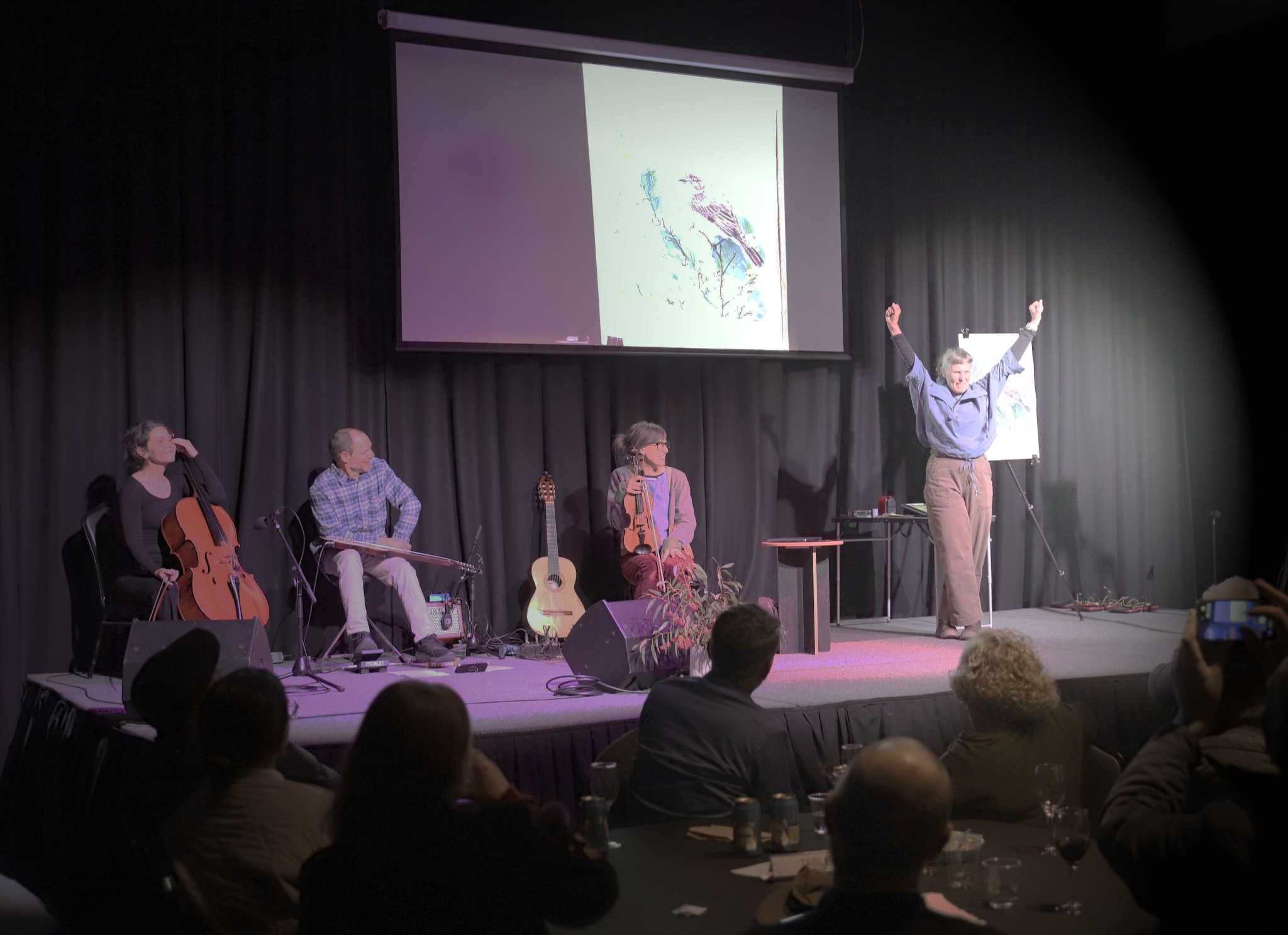
Nature Art Soundscapes; Clara Schutz, Joel Bloom, Hilary Blackshaw and Jane Rusden perform at In the Company of Birds. Photo by Lou Citroën.
After enjoying the panel discussions and a delicous meal provided by Melody, attendees were invited to sink into their chairs, unwind and relax to the soothing sounds and visuals of Nature Art Soundscapes, as they watched artist Jane Rusden draw a beautiful portrait of Jacky Winter.
One attendee, Emily reported “ It was a really lovely evening, the conversation around art and nature was inspiring and Nature Art Soundscapes performance left me feeling like I walked out of a meditation. The food was also fresh and delicious! A wonderful night.”
In the Company of Birds was a fundraiser event for Connecting Country with all profits donated to Connecting Country’s Landscape Restoration projects.
The Feathery Festival is a collaboration involving partnerships between Connecting Country, Birdlife Castlemaine District, Castlemaine Field Naturalists Club and representatives from Landcare Groups in the Mount Alexander Region. It would not be possible without the valuable support from sponsors Brian D Newman Foundation and The Good Op Shop.

Stop South African Weed Orchid
Posted on 17 September, 2026 by Bonnie Humphreys
Golden Point Landcare Inc. is inviting the local community to learn more about South African Weed Orchid (Disa bracteata) which is spreading across central Victoria.
South African Weed Orchid is a perennial terrestrial orchid with underground tubers. Dormant for much of the year, it sprouts in early spring with a rosette of leaves, followed by flower spikes developing into seeds as the weather dries out during summer. Now is a great time to locate and identify the plants before they set seed.
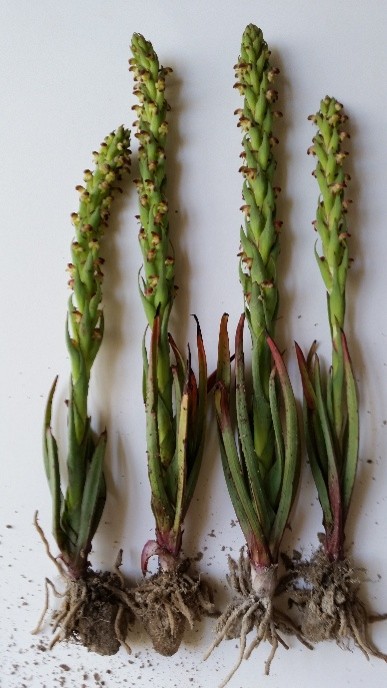
Learn key identifying features of the plants as well as practical control techniques that you can implement on your property.
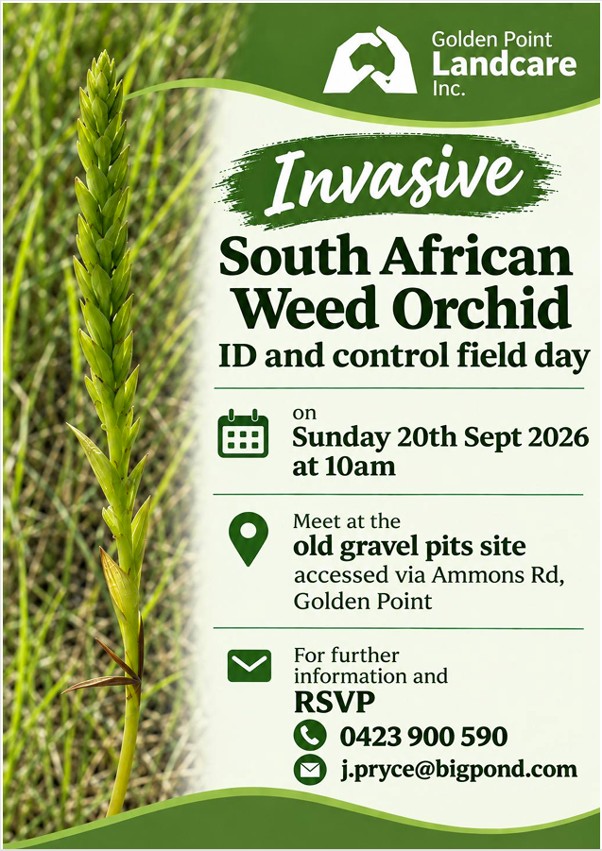
When: Sunday 20 September 2026
Time: 10:00 am–1:00 pm
Location: Gravel Pits off Ammons Rd (off Golden Point Rd) , Castlemaine Diggings National Heritage Park. Map reference
RSVP: j.pryce@bigpond.com or 0423 900 590
Australian Native Flower Show 26 – 27 September in Bendigo
Posted on 14 September, 2026 by Hadley Cole
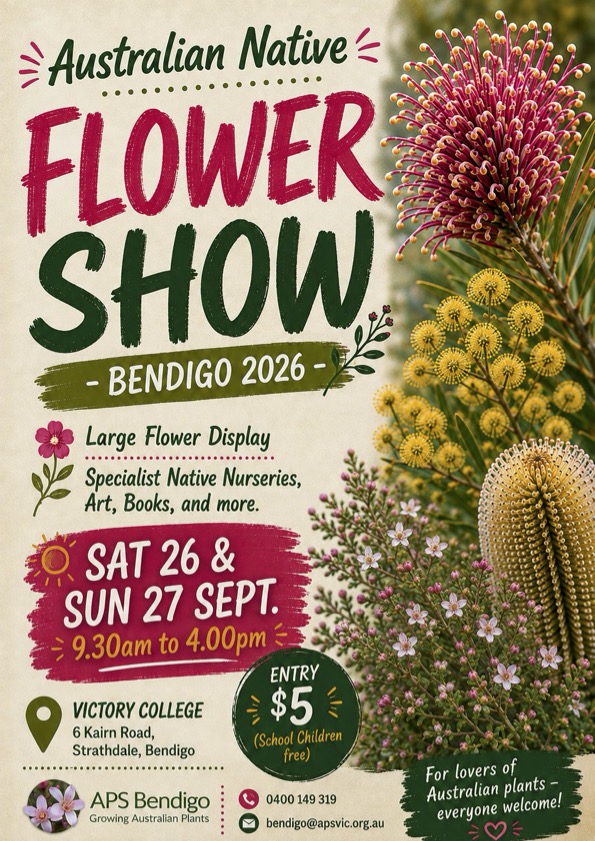
The Australian Plants Society Victoria presents the Australian Native Flower Show on 26 & 27 September in Bendigo. The show is a wonderful opportunity for the community to enjoy a beautiful display of Australian native flowers and plants, learn more about growing natives, and speak with knowledgeable members of the Australian Plants Society. Everyone is welcome!
When: Sat 26 & Sun 27 September, 9.30am – 4.00pm
Where: Victory College, corner Strathfieldsaye and Kairn Roads, Strathdale
Cost: $5 entry fee. School children free
Impact of Litter on Birds with Hannah Faraone
Posted on 10 September, 2026 by Hadley Cole
We are a week into Feathery Festival events and so far it’s been incredible to see the local enthusiasm for celebrating out local birds. The Guided Bird Walk and Plant Sale on Saturday 5th September was very popular with keen bird watches, from beginners through to experienced joining the walk around Campbells Creek. Many participants took home at least a handful of plants to add to their gardens for the birds who frequent their neighbourhood.
The Nature Journaling and Sticky Beak Property tour session on Sunday the 6th of September was also well attended. Curious participants spent time contemplating nature through drawing and others enjoyed a walk through a Moonlight Creek property that is being restored for bird habitat.
On Thursday 10th September Connecting Country and Birdlife Castlemaine host the Feathery Festival headline event, In the Company of Birds, which is sold out!
The final event to close the festival is hosted by Castlemaine Field Naturalist Club on Friday 11 September. Hannah Farone, researcher with Federation University, will present her project which focuses on gaining a stronger understanding of bird–litter interactions through a citizen-science based image collection study. Anthropogenic litter poses a significant global threat to birds by ingestion and entanglement. Hannah found some unexpected results, revealing a broader range of interactions than previously anticipated. The observed patterns between interactions, bird species, and litter characteristics provide management organisations with the first step to developing targeted strategies to mitigate the risks of anthropogenic litter to birdlife.
When: Friday 11 September, 7.30pm
Where: Castlemaine Uniting Church, 24 Lyttleton St. Castlemaine VIC
Cost: Free
The Feathery Festival is a collaboration involving partnerships between Connecting Country, Birdlife Castlemaine District, Castlemaine Field Naturalists Club and representatives from Landcare Groups in the Mount Alexander Region. It would not be possible without the valuable support from sponsors Brian D Newman Foundation and The Good Op Shop.
 Castlemaine Field Naturalists Club
EXPLORING NATURE IN CENTRAL VICTORIA
2026 Feathery Festival 5 – 11 September
Posted on 2 September, 2026 by Hadley Cole
September is here and that means the 2026 Feathery Festival kicks off this Saturday 5 September! In recognition of National Threatened species day held annually on 7 September, Connecting Country is teaming up with Birdlife Castlemaine and Castlemaine Filed Naturalist Club to celebrate our local woodland birds and highlight the importance of their conservation. The biannual Feathery Festival had it’s debut in 2024, hosting a variety of wonderful events across the Mount Alexander Shire in honour of our local birds. This years’ program is full of exciting events offering a diversity of opportunities to learn about our local woodland birds.
Hopefully you already have the four events saved in your calendar, but in case you’ve missed them here’s a quick run down of what’s happening where.
Saturday 5 September: Bird Walk and Plant sale
Join Birdlife Castlemaine for a guided bird walk along the Campbells Creek trail followed by morning tea at Staks Cafe. A plant sale, offering bird habitat species from Newstead Natives will take place in foyer at the Good Op Shop from 10am-1pm alongside free information about Landcare in the region. For more info on this event – click here
When: 9am – 10.30am bird walk. 10am-1pm plant sale.
Where: Lewis Dr. Campbells Creek VIC
What to Bring: Appropriate foot wear for walking, clothing appropriate for the weather and a drink bottle.
Sunday 6 September: Sticky Beak Property Tour & Nature Journaling
Come along and for a sticky beak at a local property being restored for wildlife. While you visit, why not stay a while and try your hand at Nature Journaling! For more info. on this event – click here
Where: Happy Valley Road, Moonlight Creek VIC
When: Nature Journaling: 9.30 – 11.20am, Sticky Beak Property Tour: 11.30am – 3.00pm
What to Bring: sturdy foot wear, water bottle, snacks and appropriate clothing for the weather
Thursday 10 September: In the Company of Birds
An evening of art and conversation celebrating the birds in our lives facilitated by Weekend Birder: Kirsty Costa, (podcaster, and science educator) with special guest nature artists Kate Gorringe-Smith and Jane Rusden. Also featuring Nature Art Soundscapes weaving beautiful live art making with evocative musical soundscapes. For more info. on this event – click here
When: Doors open at 6.00pm – 8.30pm
Where: Castlemaine Goods Shed, 21 Kennedy St. Castlemaine VIC
Tickets – click here
Friday 11 September: Impact of litter on Birds, talk with Hannah Faraone
Anthropogenic litter poses a significant global threat to birds for example by ingestion and entanglement. Hannah Farone, researcher with Federation University, will tell us about her project to better understand bird–litter interactions through a citizen-science based image collection study. She found some unexpected interactions, revealing a broader range of interactions than previously anticipated. The observed patterns between interactions, bird species, and litter characteristics provide management organisations with the first step to developing targeted strategies to mitigate the risks of anthropogenic litter to birdlife.
When: 7.30pm
Where: Castlemaine Uniting Church, 24 Lyttleton St. Castlemaine VIC
The Feathery Festival is a collaboration involving partnerships between Connecting Country, Birdlife Castlemaine District, Castlemaine Field Naturalists Club and representatives from Landcare Groups in the Mount Alexander Region. It would not be possible without the valuable support from sponsors Brian D Newman Foundation and The Good Op Shop.
In the Company of Birds event with Weekend Birder Kirsty Costa & Guests
Posted on 26 August, 2026 by Hadley Cole
As part of the 2026 Feathery Festival, Connecting Country and Birdlife Castlemaine are teaming up to present, In the Company of Birds; an evening of art and conversation celebrating the birds in our lives. This very special event offers a hopeful and uplifting evening celebrating our local birds through a panel discussion hosted by science educator Kirsty Costa, Weekend Birder podcaster. Kirsty will be chatting with award winning nature artist Kate Gorringe-Smith and local artist and BirdLife Convener Jane Rusden, all of whom have a long history of advocating for nature conservation.
Following captivating panel discussions, Nature Art Soudscapes will perform, blending live music and art making to send you floating home in awe of our local birds.
Gather a bunch of your nature and art loving friends and book a table for 8 at only $60 per head, or an individual ticket for $65! Ticket price includes a delicious dinner provided by local restaurant Melody.
This is definitely an event not to miss! For more information and bookings – click here
Read on to learn more about the amazing panelists and musicians joining us for this wonderful event!
All profits from this event will go towards Connecting Country’s restoration projects.
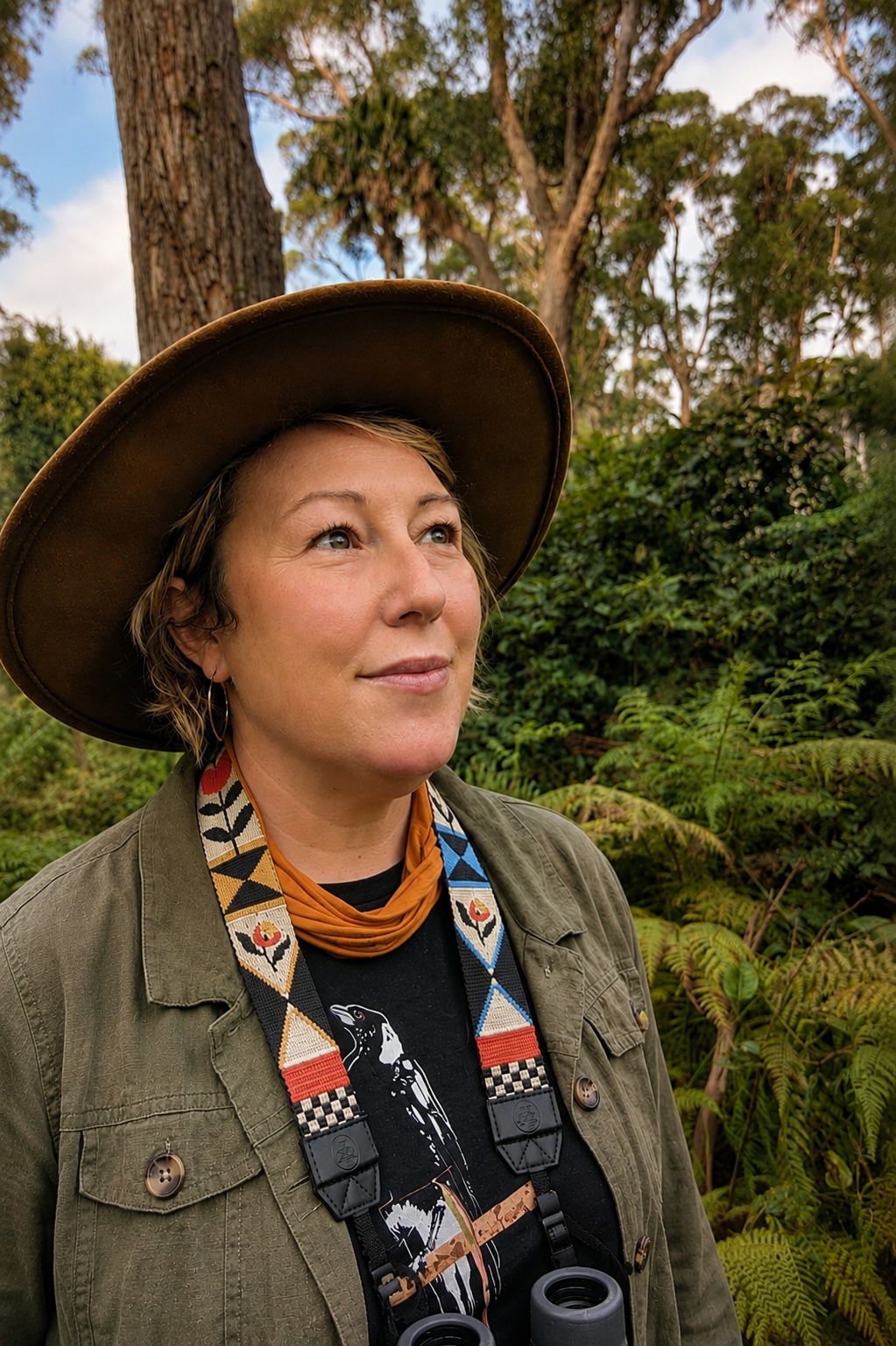 Kirsty Costa has made a career of asking, “What’s that bird doing?” She is the host of Weekend Birder, one of Australia’s favourite science and nature podcasts, where she invites people to get to know the birds living around them. You’ll also find her speaking at festivals, leading bird walks, hosting workshops and popping up in national media.
Wherever she goes, Kirsty combines stories, science and everyday wonder to make the world feel a little more fascinating.
Weekend Birder invites you to get to know the birds around you through noticing, stories and science. It features conversations with scientists, birdwatchers and nature lovers. Practical guides and everyday observations reveal just how fascinating birds really are. Whether you already watch birds or are only beginning to notice them, Weekend Birder turns ordinary encounters into deeper relationships with birds and the living world.
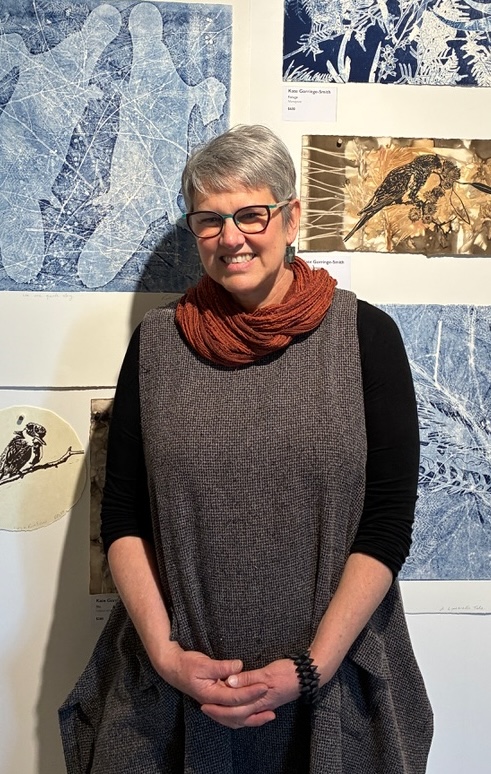 Melbourne/Naarm-based contemporary printmaker Kate Gorringe-Smith works in 2D and 3D form and installation. Her art is intimately connected to the environment and explores ways to convey the rich and unique entanglement of site, plant, human and animal life. Kate’s work at BirdLife Australia in the 1990s instilled in her a great love of birds. Her work often references migratory shorebirds to illustrate the environmental connections that link us individually and globally.
In 2017 Kate launched The Overwintering Project: Mapping Sanctuary, an ongoing environmental art project uniting artists around Australia to raise awareness for migratory shorebirds and their wetland habitat. To date, the Project has involved over 300 artists, thirty exhibitions throughout Australia and raised $51,000 for BirdLife Australia.
Kate has been exhibiting her work for over three decades. Her work has been shortlisted in major art prizes around Australia. In 2025 she won the WAMA Environmental Art Award. She has exhibited in numerous solo and group exhibitions in Australia and internationally.
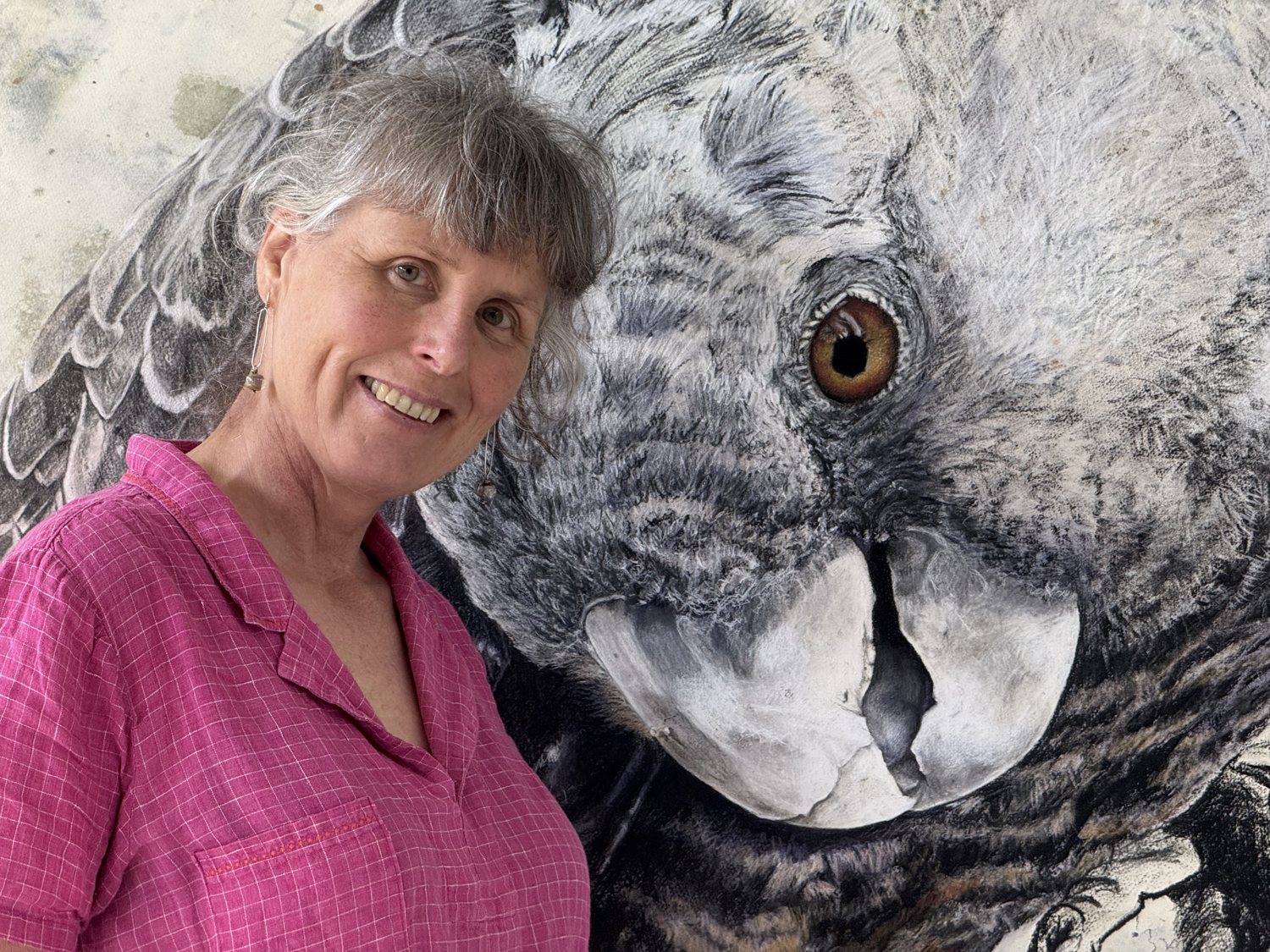 In her work, Jane Rusden seeks to tap into our deep emotional spaces as humans, and draw links with the natural world of which we are a part, using birds both as a metaphor and tangible creatures. Her background in Zoology informs her art practice and how she paints and draws birds on paper, using watercolour, ink, pencil and charcoal. Bird watching and the bird survey work she does influences the species she paints.
Jane Rusden is interested in the connections between bird species and their habitat and she expresses these connections through her art materials and their interactions with water and paper. Given water brings life to our landscape and paper is an organic material.
Jane Rusden’s focus on resilience in adversity in nature and expressed through birds, is deeply influenced by bird surveys for BirdLife and Connecting Country, and her role as Convener of BirdLife Castlemaine District. Jane’s art is a celebration of hope, beauty and awe, and immersive delight and wonder of the natural world.
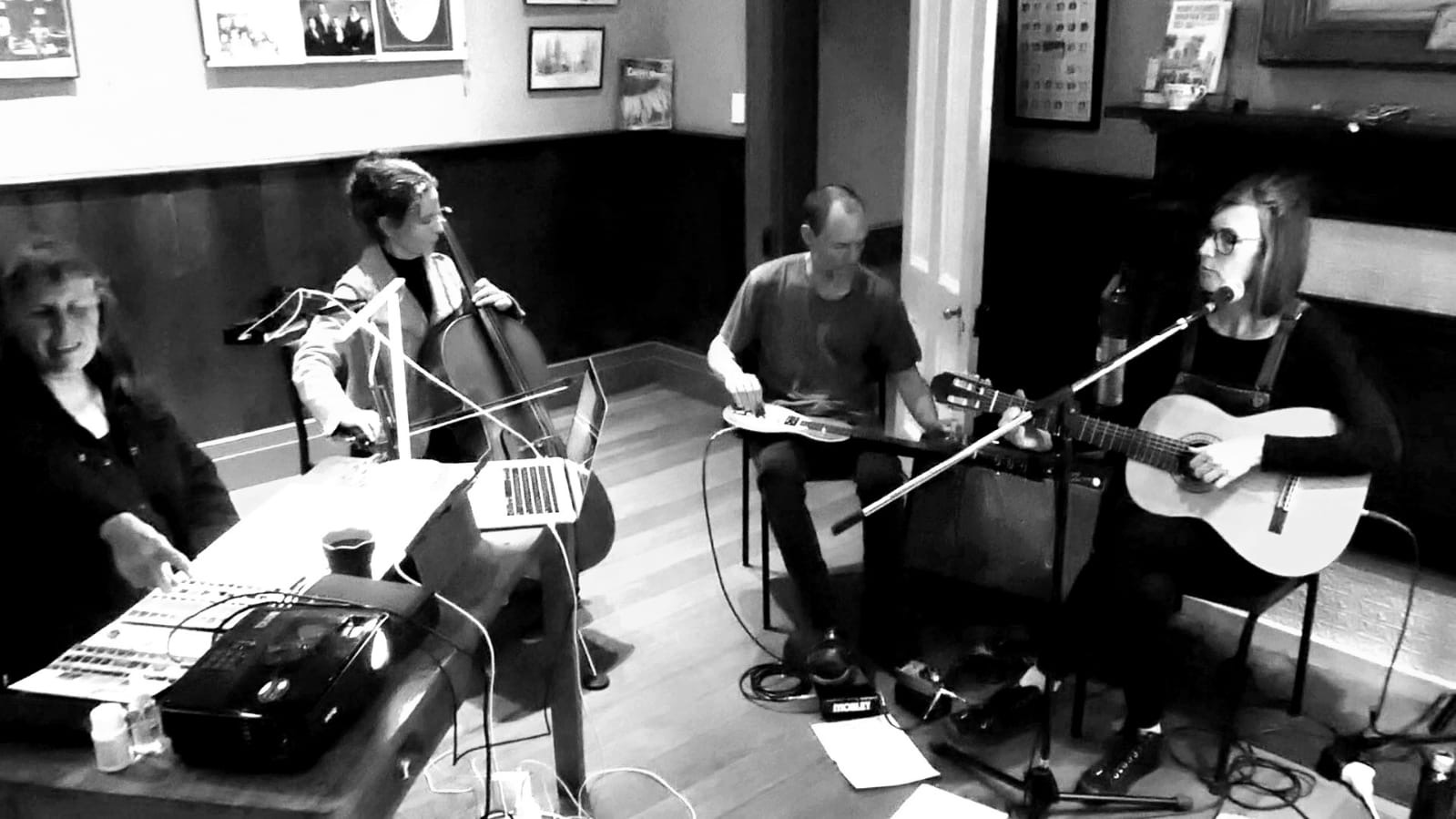 Nature Art Soundscapes are friends and musicians/artists Hilary Blackshaw (volin, guitar and vocals), Joel Bloom (lap steel guitar), Clara Schutz (cello) and Jane Rusden (live watercolour painting). The quartet celebrates their love and advocacy for local habitats and wildlife through weaving beautiful live art making projected on screen with evocative musical soundscapes.
Each performance explores the story, magic and wonder of local nature, offering audiences an open ended, immersive experience. Enjoy watching Jane’s painting slowly unfold while Joel, Hilary and Clara soothe your ears with a heartfelt improvised and composed soundscape.
A big Thank You to funders, supporters and partners that make this event possible; Brian D Newman Foundation, Birdlife Castlemaine, Weekend Birder, Castlemaine Goods Shed and Melody.
Chemical Users Permit & 1080/PAPP Courses October 2026
Posted on 25 August, 2026 by Hadley Cole
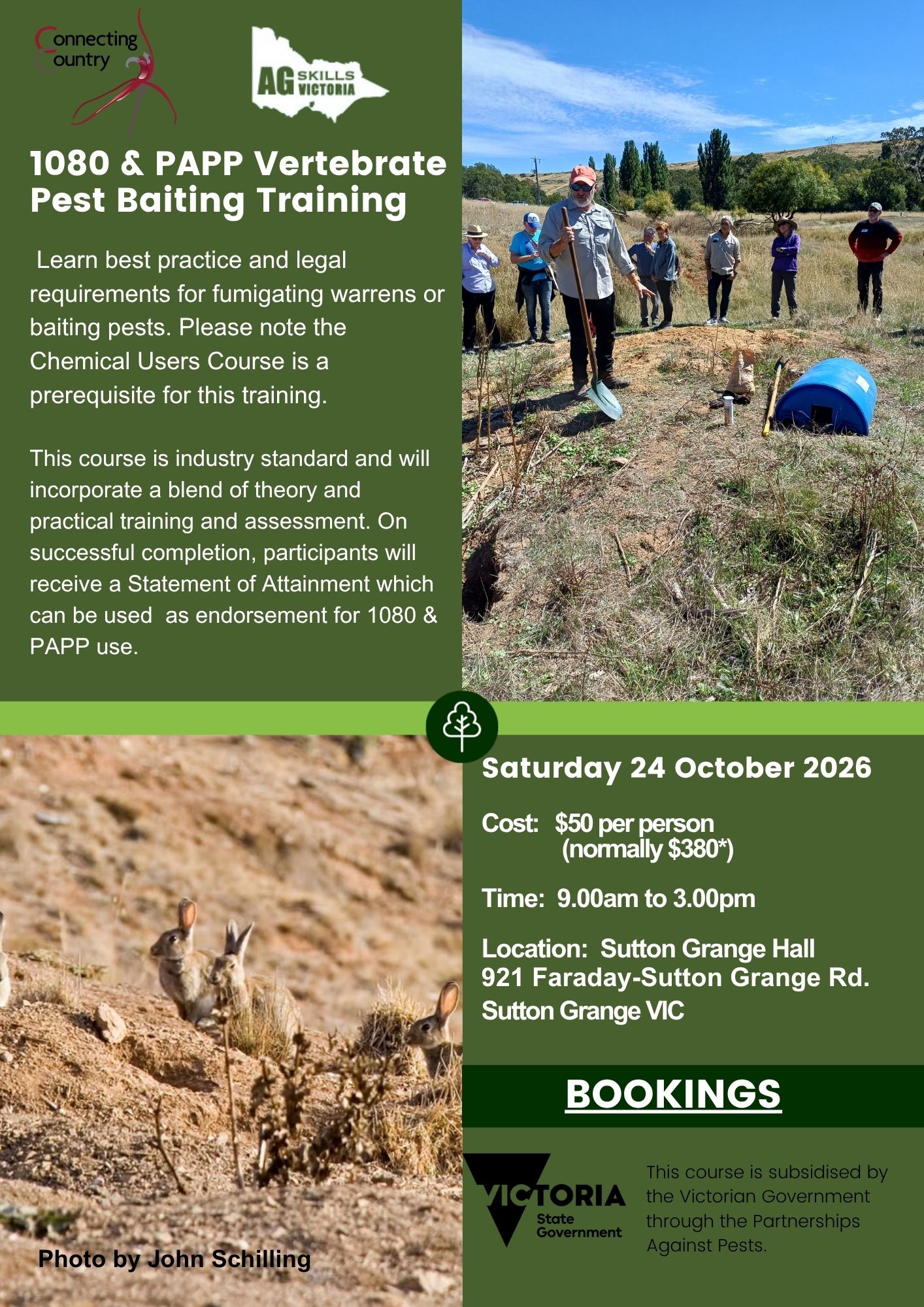
As part of the Partnerships Against Pests project, Connecting Country is offering subsidised Agricultural Chemical Skill Set and 1080/PAPP Vertebrate Pest Baiting Training. Ag Skills Victoria will deliver the training over two Saturdays in October at the cost of only $50 per course (usually over $300 per course).
The Chemical Users Skills Set is the industry standard for training in chemical use, storage and handling and incorporates a blend of theory and practical training and assessment and is a prerequisite to the 1080 & PAPP Vertebrate Pest Training. On completion of both courses you will be eligible to apply to Agriculture Victoria for an Agricultural Chemical Users Permit (ACUP) with a 1080 endorsement.
*Please note if you already hold an ACUP received with prior training, you can sign up to complete the 1080 & PAPP course to gain endorsement for use.
Agricultural Chemical Skill Set Course
When: Saturday 17 October, 8.30am – 4.30pm
Where: Sutton Grange Hall, 921 Faraday-Sutton Grange Rd., Sutton Grange VIC
Cost: $50
More Info & Bookings: https://www.trybooking.com/DPBDZ
Morning Tea & Lunch provided
1080 & PAPP Vertebrate Pest Baiting Course
When: Saturday 24 October, 9.00am – 3.00pm
Where: Sutton Grange Hall, 921 Faraday-Sutton Grange Rd., Sutton Grange VIC
Cost: $50
More info & Bookings: https://www.trybooking.com/DPBET
Morning Tea & Lunch provided
Celebrating large old trees walk – 6 September – Maldon
Posted on 19 August, 2026 by Lori
As part of the 60-year anniversary of Maldon becoming Australia’s first Notable Town, Maldon Urban Landcare is celebrating Maldon’s natural heritage. Join them to find out about some of the Eucalypts that have been growing since before European settlement.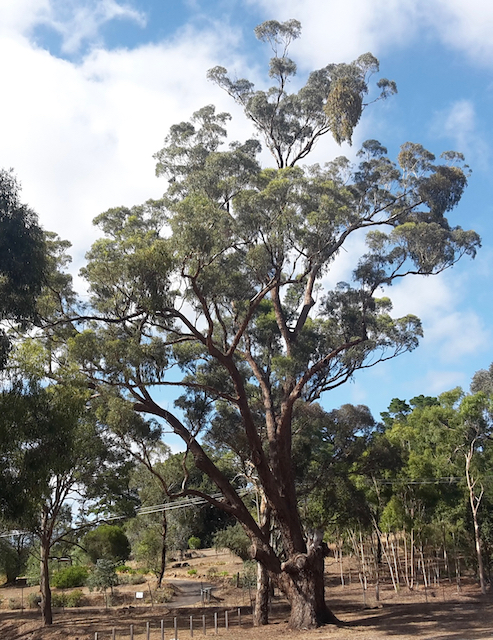
The tour will visit approximately 40 pre-1852 Eucalypt trees at the Bill Woodfull Reserve, Maldon Primary School, Maldon Hospital, St Brigid’s Catholic Church and private properties. The estimated age of the trees visited is between 185 and 540 years. Information will also be provided about how to identify the four species of Box trees that grow in the Maldon area.
When: Sunday 6 September 2026, starting at 10am
Walk details: Meet at the Rotunda in the Shire Gardens, High St Maldon (next to the Visitor Information Centre). Approx. 2-3km, along footpaths, roadsides, gravel tracks, one short, steepish hill, for 1.5-2 hours. The walk will be cancelled in the case of steady rain.
Photo: Yellow Box at Bill Woodfull Reserve, Maldon (B. Phillips)
Bird of the Month: Rainbow Lorikeet
Posted on 17 August, 2026 by Hadley Cole
Bird of the Month is a partnership between Connecting Country and BirdLife Castlemaine District. Each month we take a closer look at a special local bird species . Thanks always to the brilliant Jane Rusden and Damian Kelly for these wonderful articles and fabulous photos.
This months article is written by Damian Kelly.
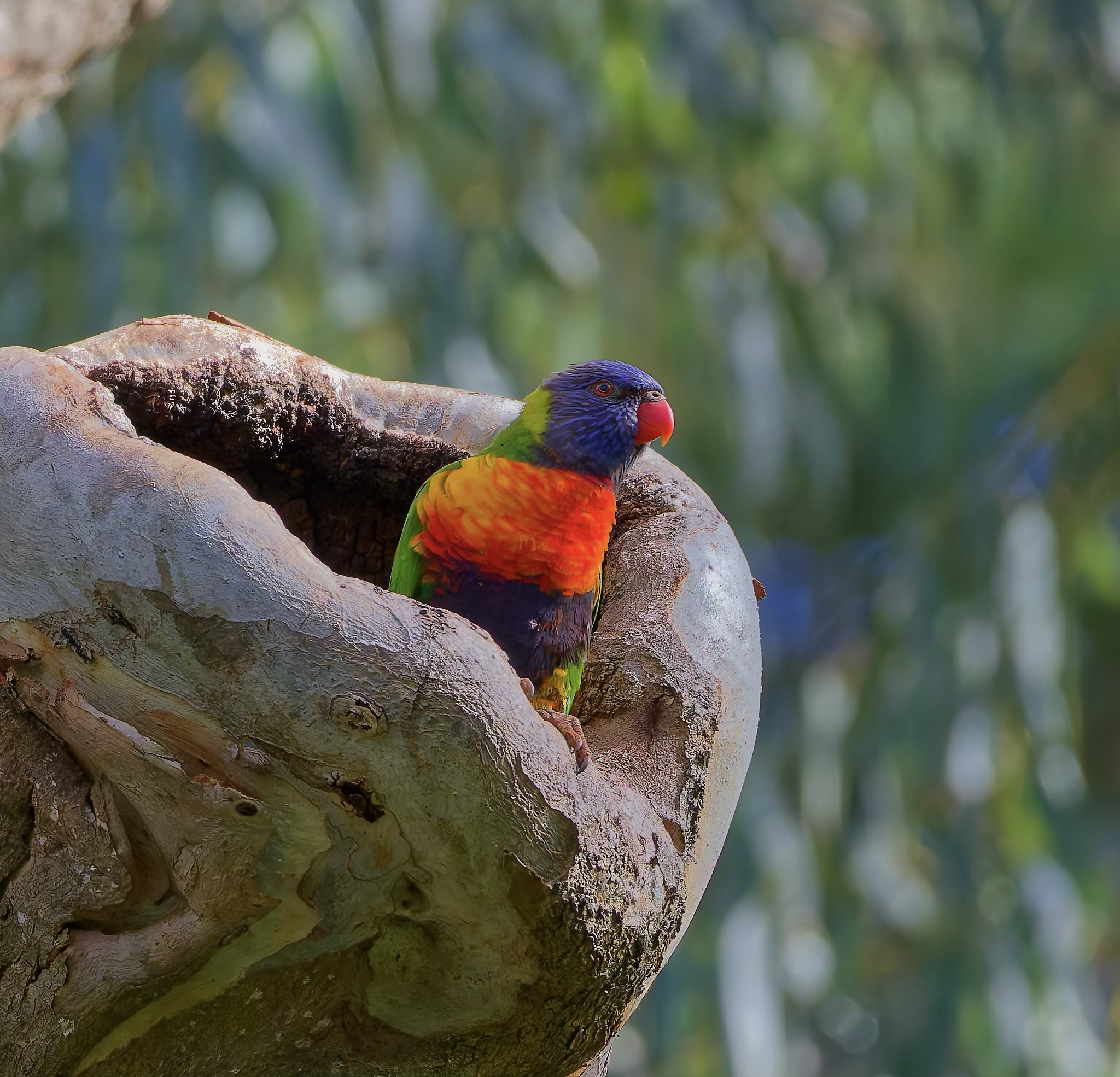
When we moved to Castlemaine over 15 years ago, sightings of Rainbow Lorikeets were few and far between. Now they are everywhere – just the other day I observed more than 40 in the Botanical Gardens, some of whom were aggressively hassling Long-billed Corellas and Sulphur-crested Cockatoos for access to nesting hollows in the Red Gums along the creek.This is the defining feature of Rainbow Lorikeets – they can be very aggressive and will take on larger birds. In the past this species was considered to have a diet of nectar, pollen, fruit and sometimes insects. However, ecologists in Queensland have discovered that they also eat meat when available. It is not uncommon for people to feed Magpies with meat and Rainbow Lorikeets are happy to aggressively take food away from other species.
More recent research has shown that other parrots such as Scaly-breasted Lorikeets and Sulphur-crested Cocka-toos will also take meat when when available. And this is not an isolated instance – as further research has shown that the practice is widespread ranging from Queensland down the coast all the way down the coast to South Australia.
Unlike some parrots, the Rainbow Lorikeet, a bit like honeyeaters, has a brush-tipped tongue that allows them to harvest nectar and pollen. With such a varied diet available to them it is no wonder they have extended their range substantially.
Like a lot of ill-fated projects in the past to introduce species into new habitats, Rainbow Lorikeets were introduced into Western Australia in the 1960’s. Alas it did not go well and there are now flocks in the 10’s of thousands and their damage to fruit crops is significant. Impact on the local native species is also significant, especially in terms of nesting hollows. Needless to say they are now a declared pest in Western Australia.
Their normal range includes northern an eastern Australia as well as islands to our north including Papua New Guinea. An adaptable bird, they nest in hollows but can be quite versatile with successful nests recorded not only in tree hollows, but also the dense tops of palm trees as well as rocky outcrops and holes at the base of trees.
If you have ever been in parts o Melbourne you will be well aware that the Rainbow Lorikeet is a communal rooster. They also prefer to roost near bright areas of artificial light like shopping centres and sports ovals presumably for predator awareness.
Breeding generally occurs from August to January and 1-3 eggs are usually laid. A pair can raise up to three broods in a season which is why they can quickly increase population size in favourable conditions.
Photo by Damian Kelly.
In the Company of Birds Thurs 10 September
Posted on 12 August, 2026 by Hadley Cole
As part of the 2026 Feathery Festival, Connecting Country and Birdlife Castlemaine are teaming up to present a very special event, In the Company of Birds; an evening of art and conversation celebrating the birds in our life.
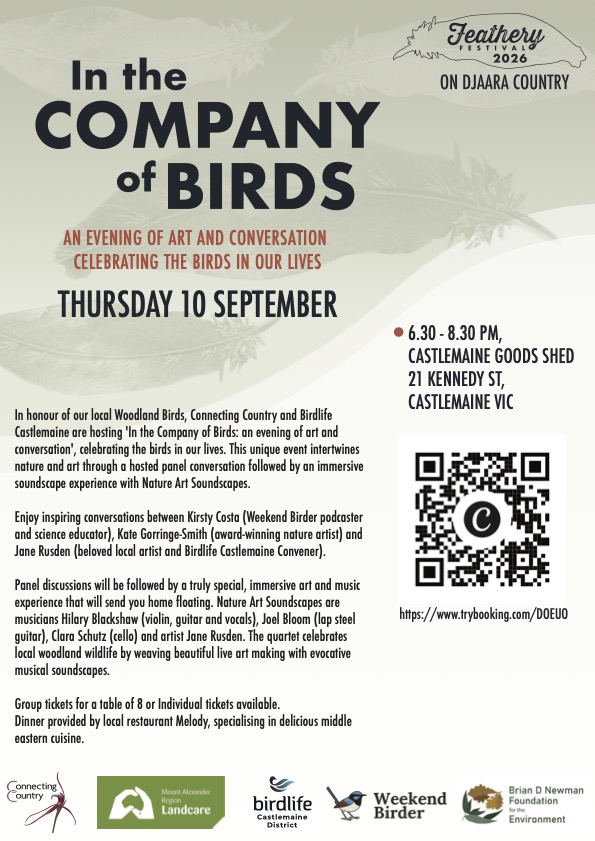
The panel will be followed by a special immersive art and music experience that will leave you feeling uplifted. Nature Art Soundscapes features musicians Hilary Blackshaw (violin, guitar and vocals), Joel Bloom (lap steel guitar), Clara Schutz (cello) and artist Jane Rusden. Together they celebrate local woodland wildlife by weaving beautiful live art making with evocative musical soundscapes. For more information on Nature Art Soundscapes and what to expect -click here
We are fortunate to be hosting this very special event at Castlemaine Goods Shed, boasting amazing acoustics as well as hosting a licensed bar with drinks at bar prices.
Dinner is also included in your ticket price and will be catered by the delicious Middle Eastern offerings of local restaurant Melody.
Book yourself and a group of friends a table for this memorable evening.
When: Thursday 10 September, 6.30 – 8.30pm
Where: Castlemaine Goods Shed, 21 Kennedy St. Castlemaine VIC
Cost: Early Bird prices available now! Group booking (table for 8) $55 per head, Individual ticket $60 per head.
Bookings: https://www.trybooking.com/DOEUO
All profits from this event will go towards Connecting Country’s restoration projects.
A big Thank You to funders, supporters and partners that make this event possible; Brian D Newman, Birdlife Castlemaine, Weekend Birder, Castlemaine Goods Shed and Melody.
Feathery Festival Guided Bird Walk Sat 5 September 2026
Posted on 10 August, 2026 by Hadley Cole
As part of the 2026 Feathery Festival, Connecting Country and Birdlife Castlemaine are teaming up to host a guided bird walk along Campbells Creek Trail. After decades of restoration by local group, Friends of Campbells Creek, a walk along the creek is now an iconic part of Castlemaine/ Campbells creek culture. Although you may have walked this trail many a time, perhaps you haven’t noticed the diverse bird life that now calls the creek line home. Birdlife Castlemaine volunteers will guide you on the walk noticing the various birds and, if needed, share some advice on birdwatching techniques. The walk will take around an hour and will meander at a slow pace as we stop to notice our feathered friends.
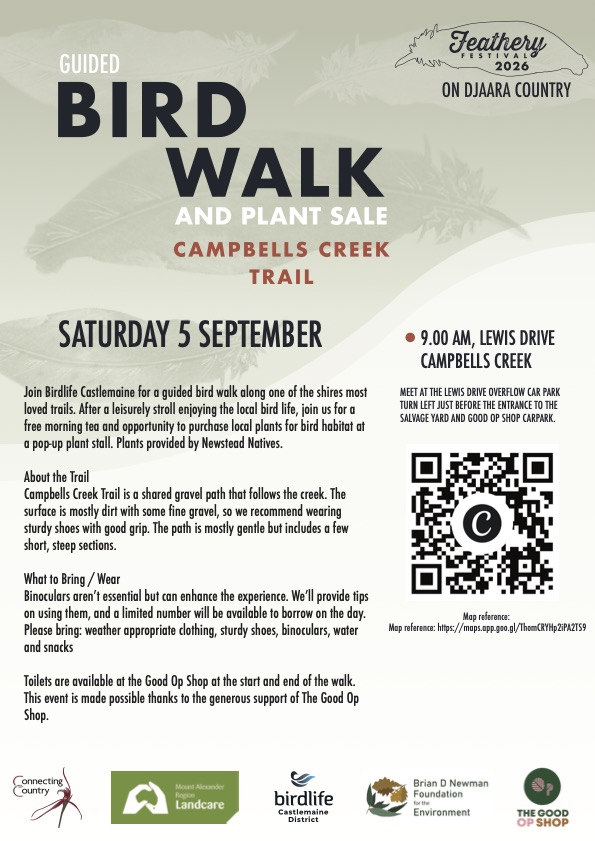
After the walk we will enjoy a lovely morning tea and cuppa provided by Stak’s cafe just outside The Good Op Shop. There will also be a plant sale courtesy of Newstead Natives where you can purchase bird-friendly habitat plants for your property or garden.
Morning tea has been thoughtfully donated by the amazing The Good Op Shop, always supporting grass roots nature events and activities.
No need to book just turn up ready to walk!
What: Guided Bird Walk & Plant Sale
When: Saturday 5 September, 9.00am – 10.30am
Where: Lewis Drive, Castlemaine, for map link – click here
What to Bring: Weather appropriate clothing, sturdy shoes, binoculars, water and snacks
The Feathery Festival is a collaboration between local organisations Connecting Country, Birdlife Castlemaine District, Castlemaine Field Naturalists Club and representatives from Landcare Groups in the Mount Alexander Region. It would not be possible without the valuable support from sponsors Brian D Newman Foundation and The Good Op Shop.
2026 Feathery Festival: Nature Journaling and Sticky Beak Property Tour
Posted on 10 August, 2026 by Hadley Cole
To celebrate all things nature, Birdlife Castlemaine are hosting a Nature Journaling session and a Sticky Beak Property Tour on Sunday 6 September as part of the Feathery Festival 2026. This event offers the opportunity to visit a local property that is in the process of being restored for bird habitat, and if you feel the urge spend some time with local artist Jane Rusden learning the art of nature journaling (no experience necessary).
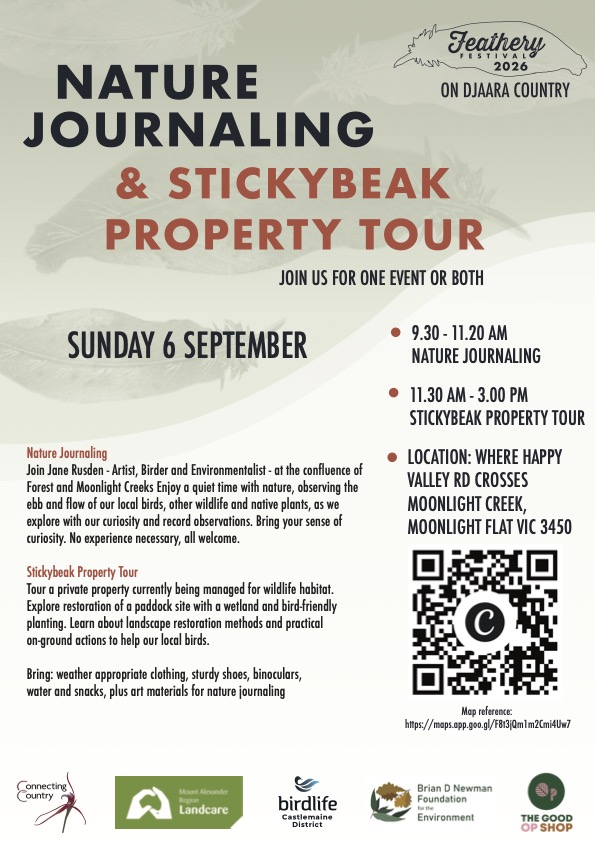
No bookings required.
The Feathery Festival is a collaboration between local organisations Connecting Country, Birdlife Castlemaine District, Castlemaine Field Naturalists Club and representatives from Landcare Groups in the Mount Alexander Region. It would not be possible without the valuable support from sponsors Brian D Newman Foundation and The Good Op Shop.